
Author

Joseph Moore

Browsing

Owners look at their dog’s stools every day and think about nothing except getting them into a bag. That is a waste of the most accessible piece of clinical information a dog produces. Consistency, colour, volume, frequency and content all reflect what is happening along several metres of digestive tract, and changes there often appear days before anything shows in behaviour, appetite or weight.

The problem is calibration. Without a reference point, one person’s idea of normal is another person’s reason to ring the emergency line, and a good deal of unnecessary worry sits alongside a smaller amount of missed illness. Vets cut through this with a defined scale and a short list of questions. What follows is what those observations mean, which ones matter, and which ones almost never do.

The seven-point scale vets actually use

Faecal scoring charts in veterinary use run from 1 to 7. Versions differ in wording but agree on the structure, and the ideal sits at 2 on most charts.

  • 1: hard, dry pellets that take effort to pass and leave no residue
  • 2: firm, segmented, log-shaped, holds its form when picked up. This is the target
  • 3: moist and log-shaped, still holds form, leaves a faint mark
  • 4: very moist, loses shape when lifted, leaves a definite residue
  • 5: very moist piles rather than logs, no defined shape
  • 6: mounds with texture but no shape, too wet to pick up cleanly
  • 7: watery, flat, no solid pieces at all

The two ends point in opposite directions. A persistent 1 suggests dehydration, insufficient fibre, a low-residue or high-bone diet, or a dog unable to defecate; in older male dogs, straining against hard stool also raises the question of prostatic enlargement. A persistent 6 or 7 means the colon is failing to reabsorb water, whether because transit is too fast, because osmotically active material is holding water in the lumen, or because the lining is inflamed.

The value of the scale is that it turns a vague impression into a number that can be tracked. Recording a score for a week gives a far clearer picture than memory does, and it is a useful habit whenever a diet is changing or a supplement such as Probiotic Dog Chews has been introduced, since it shows whether anything has genuinely shifted.

Colour, and what genuinely changes it

Normal canine faeces are chocolate brown, and the brown comes from stercobilin, a breakdown product of bilirubin delivered to the gut in bile. Anything altering bile flow, transit speed or diet shifts the colour, and most shifts are harmless. Orange or yellow usually means rapid transit carrying bile through before it is fully converted, or simply a lot of carrot. Green often means grass. Chalky white appears on high-bone raw diets.

Grey, pale clay or putty-coloured stools are the exception worth taking seriously. Acholic faeces, meaning stools with little or no bile pigment, suggest bile is not reaching the intestine, raising questions about the liver, gall bladder or bile duct. Very pale, greasy, voluminous stools that float and smell rancid point instead to fat malabsorption, classically associated in dogs with exocrine pancreatic insufficiency. Either pattern, persisting beyond a day or two, deserves an appointment rather than watchful waiting.

Blood: two very different pictures

Blood in stools is not one finding. Where it entered the tract changes its appearance and its urgency, and telling the two apart is among the most useful things an owner can learn.

Melena is digested blood: black, tarry, sticky, often glossy, with a metallic smell. Black means the blood travelled far enough to be broken down by digestive enzymes, placing the source in the stomach or upper small intestine. Causes include gastric ulceration, tumours, foreign body damage, clotting disorders and non-steroidal anti-inflammatory drugs. A dog producing black tarry stools should be seen the same day, and any NSAID it is receiving discussed with the vet immediately.

Haematochezia is fresh red blood, streaked on the surface or mixed through loose stool. The colour tells you it entered low down, in the colon or rectum, and was not in the tract long enough to be digested. A small amount alongside colitis or a bout of soft stools in a dog that is otherwise bright is common and usually less serious than it looks; anal gland problems produce the same appearance. Large quantities, material resembling raspberry jam, or fresh blood in a dog that is lethargic or vomiting needs same-day assessment.

The jelly coating: what mucus means

A clear or yellowish jelly-like film around a stool, or a slick passed on its own, is mucus from goblet cells in the large intestine. Its normal job is lubricating and protecting the colonic lining, and a small amount is in every stool without being visible. When it becomes obvious, the colon is producing more than usual, a fairly reliable marker of large intestinal irritation rather than a small intestinal problem.

That distinction is useful. Large bowel signs cluster: mucus, fresh blood, straining, urgency, frequent small-volume motions. Small bowel signs bring larger volumes, weight loss and sometimes vomiting, but usually without straining and mucus. A single mucus-coated stool after a dietary indiscretion is unremarkable. Mucus appearing regularly over a fortnight raises the question of whipworm, giardia or a food-responsive enteropathy.

Undigested food, and the myth it feeds

Recognisable food in stools causes alarm and means less than owners assume. Sweetcorn kernels, peas and most vegetable skins reappear largely intact because their cellulose cell walls are indigestible to dogs, which lack the enzymes to break them down. That is plant anatomy, not digestive failure. Whole kibble passing through intact in a dog that bolts its food points to a chewing problem rather than an intestinal one, and a slow-feeder bowl often resolves it.

The findings that matter are different in kind. Consistently greasy, bulky stools with a rancid smell suggest fat is not being absorbed. The pattern to watch is undigested material alongside weight loss or a ravenous appetite, because a dog eating well and losing condition is not extracting what it needs from its food.

How much, how often, and how long

Most adult dogs defecate one to three times daily, heavily influenced by meal frequency and how digestible the food is. Puppies go far more often, four or five times a day being unremarkable. What matters is not the absolute figure but the individual dog’s pattern. A dog that has reliably gone twice a day for years and now goes five times has changed, even though five would be normal for a different dog.

Volume works the same way. Highly digestible diets produce smaller, denser stools because less material reaches the colon undigested; poorly fermentable fibre produces more bulk. A sudden increase in volume without a change in food is worth noticing. So is a dog straining and producing very little, which can indicate obstruction and should never be assumed to be constipation in a dog that is also vomiting.

Why one odd stool means little and five mean something

Dogs eat things. A single soft or unusual stool in a dog that is bright, eating and behaving normally is far more likely to reflect something found on a walk than any developing disease, and most acute, uncomplicated diarrhoea in well adult dogs settles within a couple of days. Persistence converts an observation into a finding. The accepted threshold for chronic diarrhoea in dogs is three weeks, at which point investigation is warranted rather than repeated courses of bland diet. Intermittent problems count as persistent: a dog with loose stools two or three days a week for two months has a chronic problem, whatever happens on the good days.

Parasites you can see without a microscope

Some parasites are visible to the naked eye, and recognising them saves both worry and delay. Tapeworm segments are the most commonly seen: small white or cream mobile fragments resembling grains of rice, on the surface of the stool or in the fur around the anus, sometimes still moving when fresh and drying to hard yellowish grains. In the UK the usual culprit is Dipylidium caninum, transmitted by fleas, so finding segments should trigger flea treatment for the household as well as worming. Roundworms are longer and pale, resembling spaghetti, and are most often seen in puppies.

Whipworms and hookworms are not usually visible and are diagnosed on faecal analysis. Giardia, a protozoan rather than a worm, produces no visible organisms but a characteristic pattern of soft, pale, greasy, foul-smelling stools that come and go, often in young dogs from kennelled settings, and standard wormers do not treat it. The absence of anything visible says nothing about whether parasites are present, which is why a faecal test is the answer rather than another dose of wormer.

Collecting a sample the laboratory can actually use

There are specific requirements behind the request, and a poorly collected sample can produce a false negative that sends the investigation in the wrong direction.

  • Collect from the middle of a freshly passed stool, roughly a tablespoon
  • Avoid soil, grass or gravel, as debris interferes with flotation techniques
  • Use the pot supplied by the practice; some contain preservative, and a sandwich bag is not equivalent
  • Refrigerate immediately, never freeze, and never leave the pot in a warm car
  • Deliver within twenty-four hours, since some organisms degrade quickly
  • Ask whether a pooled sample is wanted: for parasites, three samples over three consecutive days substantially improve detection, because shedding is intermittent
  • Label it with the dog’s name, the date and the time passed

A photograph helps too. A stool that was black and tarry yesterday is useful evidence, and a picture taken next to something for scale says more than a description does.

When to speak to your vet

The following warrant contacting the practice rather than waiting to see what tomorrow brings:

  • Black, tarry stools, which should be treated as same-day urgent
  • More than a small streak of fresh blood, or any blood in a dog that seems unwell
  • Grey, pale or clay-coloured stools persisting beyond a day or two
  • Diarrhoea lasting more than forty-eight hours, or with repeated vomiting
  • Straining that produces nothing, particularly with a tense or painful abdomen
  • Abnormal stools continuing intermittently for three weeks or more
  • Any stool change with weight loss, lethargy, or a change in thirst
  • Diarrhoea in a puppy, an elderly dog, or a dog with diabetes or Addison’s disease

Puppies and small dogs dehydrate quickly, so the threshold for ringing should be lower. No supplement or home remedy is a substitute for veterinary assessment when any of these signs is present.

Building a picture over time

The most valuable thing an owner can do is unglamorous. Keep a note for a fortnight whenever something changes: date, score out of seven, colour, anything unusual, and what the dog ate. Patterns invisible day to day become obvious on paper, and a vet given fourteen days of observations can rule things in and out far faster than one working from an impression.

Knowing what normal looks like for one particular dog is the foundation of all of it. Breed, size, diet and age shift the baseline, and comparison with another household’s dog is close to meaningless. Once it is known, deviations announce themselves.
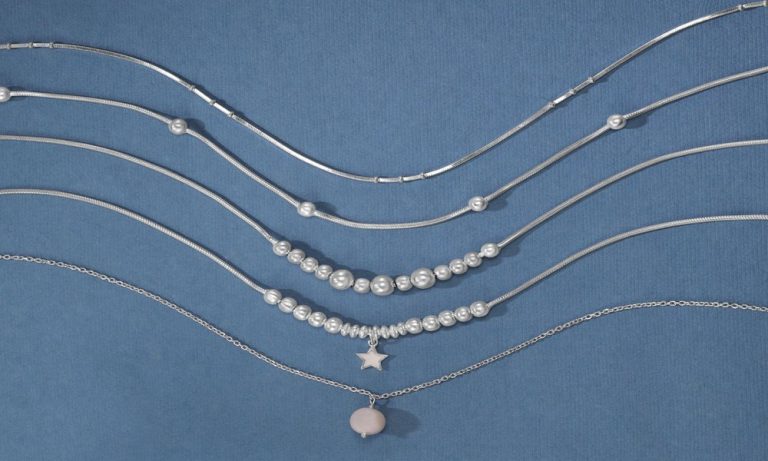
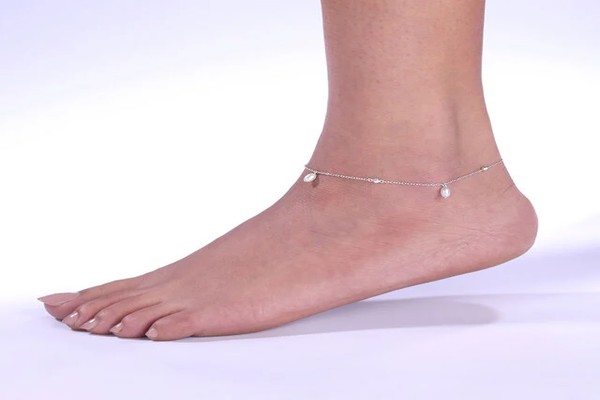
There was a time when silver payal was brought out only on special occasions. It was carefully stored, worn with intention, and tied closely to tradition. Today, that relationship has changed. The focus has shifted from embellishment to usability, with jewellery increasingly valued for how easily it fits into daily routines. Comfort, adaptability, and ease of wear now guide these choices, and anklets are no exception. This change reflects a broader approach to personal style; one where jewellery is worn often, lived in, and appreciated for its quiet presence rather than reserved only for special occasions.

The Role of Design in Modern Silver Payal

Design has become central to how the silver payal is worn today. Contemporary anklets lean toward clean lines, subtle textures, and minimal detailing. More than traditional ornate patterns, there’s a clear preference for designs that feel visually refined without being heavy or distracting. Durability and elegance are no longer separate ideas; they work together to ensure jewellery holds up well while still looking considered.

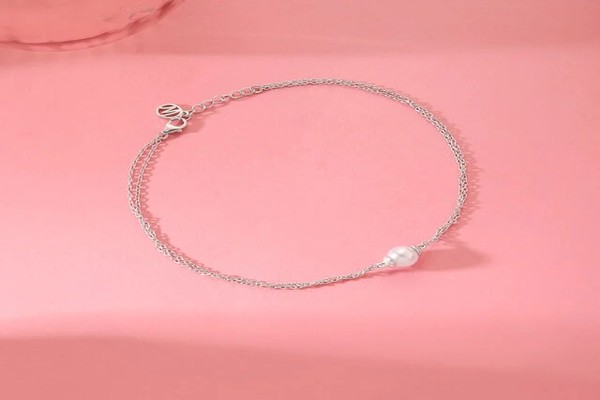
You’ll notice that modern silver anklets are shaped to sit comfortably around the ankle. Unlike ankle kadas, these have smooth finishes and well-proportioned links that help prevent snagging on clothing or feeling restrictive while walking. These small design decisions make a big difference, especially when the anklet is worn for long hours or regularly.

What Makes Silver Payal Relevant for Everyday Wear

Article image

The reason silver payal continues to feel relevant today is fairly simple- it fits into daily life without much effort. Instead of being treated as something occasional, the modern payal adapts to different parts of the day and different ways of dressing. Below are some of the properties that make silver payal a daily accessory.

Comfort as a Priority, Not an Afterthought

Comfort often becomes the deciding factor when choosing a silver payal for everyday wear. Anklets are constantly in motion, so they need to handle long hours, varied activities, and regular movement without becoming uncomfortable. Lightweight construction and secure closures play a key role here. A well-made silver payal stays in place without needing constant adjustment. Details like rounded edges, flexible links, and adjustable clasps may seem minor, but they directly affect how the jewellery feels by the end of the day. Lightweight silver jewellery is commonly preferred for daily wear because it places less stress on joints compared to heavier metals. This growing emphasis on comfort reflects a wider preference for jewellery that supports daily routines rather than interrupting them.

Everyday Elegance Through Subtle Styling

Elegance today is defined by restraint. The silver payal doesn’t draw attention to itself, yet it adds a sense of refinement to the overall look. Whether worn with ethnic wear, work outfits, or casual clothing, silver anklets adapt easily without feeling out of place. This versatility makes them suitable for different age groups and personal styles.

Some prefer a single anklet for a minimal look, while others choose a matching pair. Either way, the appeal lies in how effortlessly the payal blends into everyday dressing, making it feel precious every day rather than something reserved for select moments. Silver’s neutral tone also helps. It works well across skin tones and outfits, making styling intuitive instead of complicated. That ease is a big reason silver payal continues to hold its place in modern jewellery choices.

Cultural Relevance and Modern Interpretation

Even with all these modern updates, the cultural significance of the silver payal hasn’t been lost. Traditionally associated with grace, femininity, and continuity, anklets carry emotional meaning that goes beyond how they look.

What’s changed is how this heritage is interpreted. Modern designs respect tradition without being bound by it, allowing anklets to feel relevant across generations. This balance becomes especially meaningful when silver payal is chosen as a gift for weddings and important milestones. It naturally becomes the kind of wedding gift they’ll treasure forever, long after the moment has passed.

Craftsmanship and Jewellery Standards

Behind every well-made silver payal is careful craftsmanship. From clean finishing to dependable fastening mechanisms, each detail contributes to how well the anklet performs over time.

Article image

These standards echo the approach seen across fine jewellery categories, including 9 KT, 14 KT, and 18 KT gold, where wearability and design integrity are prioritised. Anklets crafted with attention to proportion and strength tend to retain their form even with frequent wear, making them reliable rather than delicate.

Understanding the Design Approach of Modern Silver Payal

The way anklets are designed today reflects changing expectations around jewellery. Wearability, finish, and flexibility now guide most design decisions, ensuring anklets feel comfortable enough for regular use.

  • Movement-friendly structure: Flexible links and balanced construction allow the anklet to move naturally with the body without causing irritation. This also helps it sit in place comfortably instead of shifting around as you walk.
  • Refined finishing: Smooth surfaces and rounded edges reduce friction and help prevent snagging on clothing. It’s the kind of detail you notice most when you’re wearing it for long hours, not just for a short outing.
  • Balanced weight: Thoughtful weight distribution keeps the anklet light yet sturdy enough for daily wear. It feels easy on the ankle while still holding its shape over time.
  • Secure closures: Reliable clasps ensure the payal stays in place while remaining easy to wear and remove. A well-designed closure also reduces the need to keep checking or adjusting it throughout the day.
  • Proportion-led design: Careful attention to scale helps the anklet complement the ankle rather than overpower it. This balance makes it easier to style across outfits, whether you’re keeping things minimal or dressing up.

A Jewellery Choice That Fits Modern Life

The silver payal’s enduring appeal lies in its adaptability. It aligns with modern values of practicality, comfort, and subtle self-expression. Rather than being stored away for special occasions, it is designed to be worn, lived in, and enjoyed daily.

As jewellery continues to move toward everyday relevance, the silver payal stands out as a piece that honours tradition while embracing modern needs. It represents a thoughtful approach to adornment where design, comfort, and elegance come together in a way that feels natural and enduring.

We often hear the phrase “get your beauty sleep,” but what if we told you, it’s more than just a saying? The idea that your body—and especially your skin—repairs itself while you sleep is backed by both science and centuries of self-care wisdom. Your nighttime routine isn’t just a wind-down ritual; it’s the secret to waking up refreshed, radiant, and truly glowing.

The right overnight skincare routine doesn’t require 10 complicated steps or luxury spa treatments. It just needs consistency, the right ingredients, and a few mindful choices. With clean, potent, and deeply nourishing products like those from Hamsa Radiance, your skin and hair can do their best work while you rest.

Why Beauty Sleep Matters

When you sleep the body undergoes repair state. During the resting period the blood flow increases to your skin, the collagen productions too enhance where the skin rejuvenates itself. This is also when your skin is most receptive to skincare products, making nighttime the ideal moment to apply treatments that target concerns like dullness, dehydration, and signs of aging.

In short, what you put on your skin before bed—and how you care for yourself—determines how you look and feel in the morning.

Skin Brightening Face Serum – Start with Radiance

To wake up with glowing skin, you need to feed your skin the right ingredients the night before. The Hamsa Skin Brightening Face Serum is your go-to for dull, tired skin that needs a pick-me-up while you sleep.

Formulated with botanical extracts that help fade pigmentation, refine texture, and even out skin tone, this lightweight serum works while you rest. It sinks deep into your skin to brighten and rejuvenate, without feeling heavy or sticky. Incorporating it into your nightly ritual helps you unlock glowing skin in the morning, even after a long day.

Gently pat it into clean skin before applying your moisturizer or facial oil to amplify its effects.

Kumkumadi Face Oil – Lock in Moisture and Nourishment

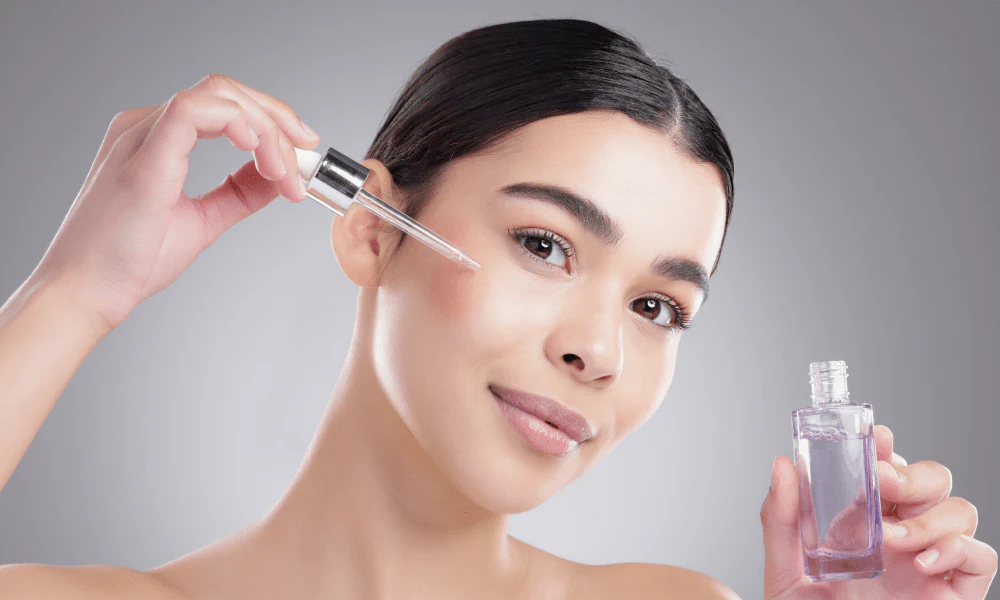
When it comes to beauty sleep benefits, hydration and restoration, it tops the list. The Hamsa Kumkumadi Face Oil is a luxurious blend of Ayurvedic botanicals—including saffron and sandalwood—that deeply nourish your skin overnight.

This oil doesn’t just hydrate; it helps calm inflammation, reduce fine lines, and promote an overall glow. Using it as the final step in your night routine helps seal in your serum and lock in moisture, preventing overnight dehydration.

Apply 3–4 drops of the oil and massage it gently into your skin using upward strokes. This not only improves product absorption but also promotes circulation, a key factor in waking up with radiant skin.

Hair Growth Serum – Don’t Forget Your Scalp

Beauty sleep isn’t just about your face—your hair and scalp also benefit from nighttime care. The Hamsa Hair Growth Serum is designed to nourish your roots, promote thicker growth, and reduce hair fall, all while you sleep.

Massage a few drops into your scalp before bed to boost blood flow and relax your mind. The calming, natural formula supports healthy follicles and helps you wake up with a healthier scalp—and over time, stronger, fuller hair.

Adding this to your nighttime ritual ensures that every part of you is receiving the love and attention it deserves, even while you rest.

Creating Your Evening Ritual

It’s not just what you apply, but how you apply it. Your overnight skincare routine can become a powerful form of self-care if approached with intention.

Set aside 10–15 minutes before bed to focus entirely on your skin and scalp. Use this time to disconnect from screens, breathe deeply, and reconnect with yourself. This simple shift turns skincare into a ritual that soothes your nervous system, promotes restful sleep, and leaves you looking and feeling renewed by morning.

Final Thoughts

Yes, beauty sleep is real—and it starts with your choices before your head hits the pillow. With nourishing, plant-powered products from Hamsa Radiance, you can create a nighttime routine that works in harmony with your body’s natural repair cycle.

Use the Skin Brightening Face Serum to target dullness, the Kumkumadi Face Oil for deep hydration and glow, and the Hair Growth Serum to strengthen your roots—all while you sleep. These small, thoughtful steps build over time, leaving you with skin and hair that truly reflects your inner well-being.

Because real radiance isn’t rushed, naturally, while you rest.

Grief is a landscape of complex emotions, and finding a path through it often feels impossible. Yet, within the sorrow, there is an opportunity to cultivate a profound and lasting connection to the person you’ve lost. Remembering them isn’t about moving on, but rather about learning to move forward with their memory as a guiding light. This process is deeply personal, and there are countless ways to honour their life and keep their spirit close.

Cultivating Memories: A Living Tribute

One of the most powerful ways to remember a loved one is by making their memory a living, breathing part of your life. Instead of viewing their absence as an empty space, consider it an opportunity to fill that space with acts that reflect their personality and passions. This could be as simple as planting their favourite flowers in a memorial garden, a tangible tribute that grows and blossoms year after year. The act of tending to this garden can be a meditative practice, connecting you to them through nature.

You can also honour their passions by getting involved in a cause they cared about. If they were an animal lover, consider volunteering at a local shelter. If they were a bookworm, start a book club in their honour. By carrying on their legacy through your actions, you ensure that their positive impact on the world continues, making their memory a force for good.

A Physical Connection: The Ashes Necklace

For many, having a tangible keepsake provides immense comfort, a way to hold onto a small piece of their loved one. While a favourite jacket or a cherished watch can serve this purpose, an ashes necklace offers a deeply intimate form of remembrance. These beautiful pendants are meticulously crafted to hold a small, symbolic amount of a loved one’s cremated remains, a lock of hair, or a small bit of earth from a significant place.

Wearing an ashes necklace allows you to keep their memory close to your heart, serving as a quiet and personal comfort. It is a discreet tribute, visible only to you and those you choose to share its meaning with. This jewellery is more than just an accessory; it is a profound symbol of an unbreakable bond, a physical touchpoint that can bring solace in moments of solitude or reflection. Each piece is crafted with care, ensuring that it is not only a beautiful piece of jewellery but also a secure and respectful vessel for a cherished memory.

The Power of Shared Stories

Finally, never underestimate the healing power of storytelling. Sharing memories with family and friends is a beautiful way to keep a loved one’s spirit alive. Organise a gathering where everyone can share their favourite anecdotes. These shared stories not only bring back happy memories but also create a collective tapestry of their life, ensuring that their legacy is preserved across generations. Laughter, tears, and everything in between—these moments of shared remembrance are a testament to the love and connection that will always remain.

Navigating grief is a journey without a map, but by finding ways to honour their memory, you can create a path filled with love, purpose, and enduring connection.

Takingearly milestones is essential for parents who want to preserve meaningful family moments. A Baby Memory Book offers a way to record growth, achievements, and keepsakes that reflect a child’s journey. Incorporating photos allows families to relive emotions with clarity while adding keepsakes creates personal depth in every section. These designs are valuable as they merge storytelling with treasured belongings, building a timeless record. A well-planned design ensures balance between written details, creative layouts, and memorabilia. Families can create something that holds lasting value when each part is thoughtfully arranged. This approach transforms ordinary items into cherished memories preserved for years. By combining photographs with small keepsakes, every page becomes more personal, inviting reflection and connection.

Photo Placement

  • Select clear images that highlight milestones
  • Organize by age for natural progression
  • Use page corners for visual framing
  • Place group images within dedicated areas
  • Ensure balance between text and images

Keepsake Integration

  • Attach ribbons for small item storage
  • Include envelopes for notes or locks
  • Design pockets to hold treasured items
  • Use stitched areas for memory sections
  • Place keepsakes in secure positions

Creative Layouts

  • Mix full pages with smaller inserts
  • Use themes to separate special occasions
  • Add blank spaces for written reflections
  • Frame important pictures with drawn borders
  • Highlight growth moments using playful shapes

Written Memories

  • Include captions under selected photos
  • Add headings for each recorded milestone
  • Write brief reflections about personal thoughts
  • Use handwriting to add authentic style
  • Pair descriptions with selected keepsakes

Personalized Touch

  • Insert family messages alongside major milestones
  • Add quotes that inspire positive memories
  • Create pages for sibling or parent reflections
  • Dedicate a section for first words
  • Place Baby Memory Book notes meaningfully

Thematic Sections

  • Organize chapters around specific family events
  • Separate celebrations with decorative symbols
  • Dedicate sections for growth achievements
  • Group similar items to create clarity
  • Arrange materials under season-based pages

Preserving Longevity

  • Choose acid free paper for durability
  • Store books away from direct light
  • Avoid adhesive that damages delicate items
  • Use protective sheets for photographs
  • Keep the book within a sturdy cover

Memories Preserved Forever

Crafting a memory design with photos and keepsakes provides lasting value for families. By combining images with cherished objects, every page capture emotion with creativity and care. Families create meaningful designs that reflect growth, connection, and milestones with timeless appeal. With thoughtful structure, parents build treasured keepsakes that can be shared across generations. A well-crafted memory design transforms simple materials into a collection of meaningful records. The process becomes an opportunity to celebrate life stages with love and creativity. Creating with care ensures each page reflects individuality, offering lasting keepsakes that hold priceless meaning for the future.

Modern men understand the need for personal care. Confidence, discipline, self-respect—it is not all about appearance. Hair, in particular, speaks silently. How a man treats his hair says volumes, whether he walks into a meeting or steps out for the weekend. These wise haircare teachings are necessary, timeless, and valuable.

Know Your Hair Type

Every guy has unique hair. Certain people’s strands are thick and rough. Others manage fine, straight hair. Learning your hair type starts first. It helps one choose which goods to use and how frequently to wash or style.

  • Though oily hair needs frequent washing, using mild shampoo will help prevent further oil production.
  • Look for conditioners containing natural oils; dry hair needs moisture.
  • Curly hair requires leave-in treatment and little heat exposure.

This basic knowledge stops both scalp problems and awful hair days.

Do Not Overwash

Men sometimes believe that everyday washing is required. No. Shampoo draws out natural oils, which, over time, dry the scalp and damage hair. Instead:

  • Unless very sweaty, wash hair twice or three times a week.
  • Use cold or tepid water; hot water breaks.
  • Keep your moisture balanced by switching between days only with conditioner.

Rinsing after a workout with water works well for active lifestyles; it prevents stripping oils.

Choose Products Wisely

Grooming is not about using many products; it’s about using the right ones. Harsh components can cause long-term damage to hair. The astute man examines labels.

Avoid:

  • Sulfates
  • Parabens
  • Alcohol-based styling gels

Application:

  • Water-based pomades
  • Original waxes
  • Lightweight leave-in conditioners

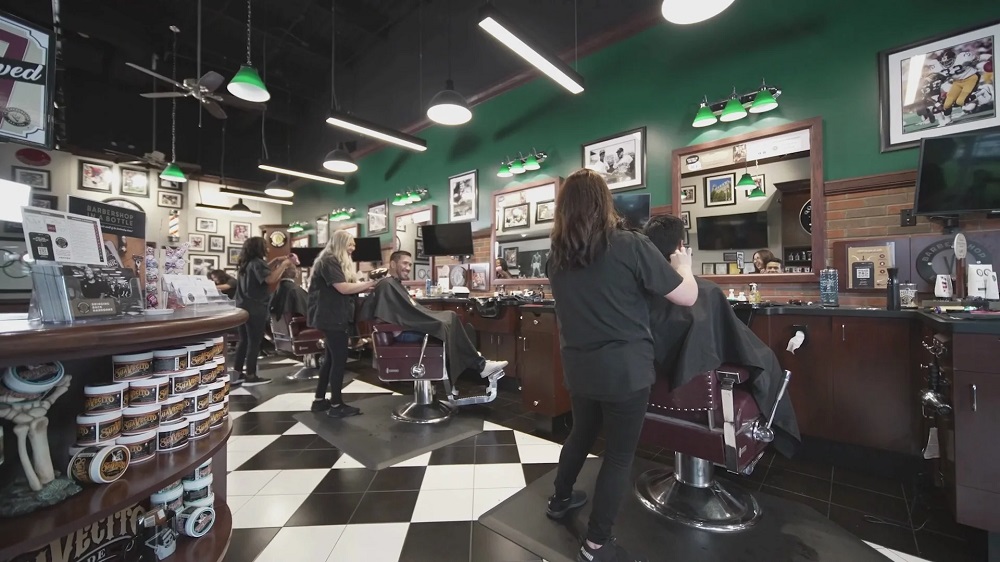
If you are unsure, speak with a stylist or ask for recommendations at Premium Barbershop, where experts personalize grooming guidance for every man.

Get the Basics of Styling under Control

A man’s cut is only as good as how it’s maintained. Understanding how to style depending on face shape and lifestyle elevates the look.

Main pointers:

Begin with a pea-sized amount and then use very little product.

  • Work with damp hair, not soaking wet.
  • Use a blow dryer with intent—direct airflow from roots to tips for volume.
  • Embrace the direction your hair wants to go; resist fighting natural growth.
  • Consistency creates a habit; inside weeks, even the laziest groomer becomes polished.

See a Reliable Hairdresser on a Regular Basis

Though it lasts, a good haircut needs upkeep. Regular trims preserve clean edges and help to avoid split ends. It also permits progressive stylistic adjustments depending on moods or fads.

Book a standing appointment every three to four weeks; it will help you find your natural rhythm.

Also, respect the beard.

Like the hair on your head, beards need TLC. Wash often, clip frequently, and use appropriate beard oils. It’s the distinction between robust and harsh.

Live a Hair Healthy Life

Good grooming originates from within. How you sleep and what you eat count. For strong hair:

  • Eat protein-rich foods like nuts, fish, and eggs.
  • Keep one hydrated.
  • Manage stress—cortisol affects hair.
  • Sleep seven to eight hours every night.

These regular routines help to maintain the hair’s strength and foster its natural growth cycle.

Learn From the Experts

Those wanting to improve their routine even further should consider seeking Men’s Grooming and Hair care Advice from hairstylists who know guys’ hair. Expert advice helps to clarify decision-making and guarantee outcomes.

Final Thought

Grooming is a mentality; it is care rather than vanity. Every man can walk out with confidence and direction with the right behaviors. One visit to Premium Barbershop and the way to looking sharp becomes clearer.

Learn More: Groom Like A Pro: Intelligent Hair Care Lessons For the Contemporary Man


The way the marriage ceremony site is decorated sets the tone for the entire event. Flower placing brings vitality and feelings to every area, from the gentle floras at the arrival to the large shows at the region of worship. Bespoke floral decorating is more than just standard designs. It gives the couple’s tale and style an appearance that fits. The correct selections may turn an average place into a magical one, and bespoke wedding venue decoration packages singapore can make it even better.

Why Bespoke Floral Styling Matters

Every couple is different, and their wedding decorations need to show that. Custom floral arrangements let you make the ceremony feel different and personal, which makes it more memorable. Bespoke preparations take into account everything, from the couple’s taste to the building’s style, unlike ready-made designs. Some of the main reasons to pick custom styling are,

  • Themes and color schemes that are unique to you
  • Paying attention to every aspect of the decor
  • Blending in well with the lights and layout of the venue

Floral design works well with organized wedding venue decoration packages singapore to make the whole event look better.

Elements That Transform Spaces

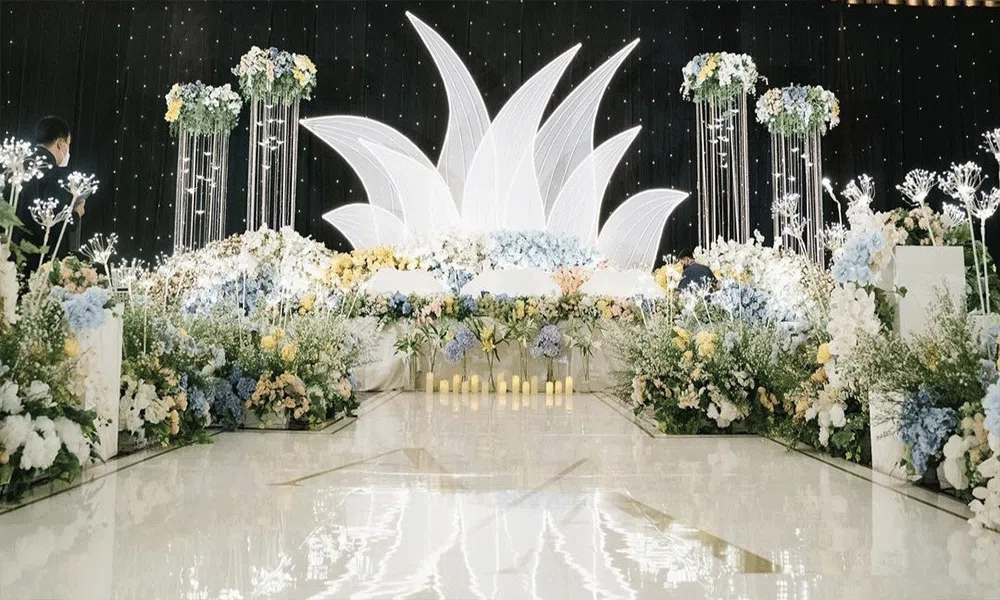
Flower preparations may additionally do more than just appear nice; they can trade the mood. Based on the pair’s desire, tailored preparations can be made to appear dramatic, dreamy, elegant, or modest. These unique designs take into account the form of the venue, the height of the ceiling, the lights, and the whole concept. Some creative floral elements are:

  • Hanging installations that hit the ceiling
  • Aisle runners with flowers and petals
  • Decorations for the dining room with statements

Benefits of Going Custom

Selecting traditional floral styling gives you more creative options. It lets couples add their own personal touches to every element of the venue. Each aspect is carefully planned, from the floral arches to the bouquet style. Some benefits of custom floral styling are:

  • More in line with the wedding’s overall theme
  • More freedom in size, shape, and placement
  • Floral components express a narrative in a strong way through pictures

Combining these things with wedding venue decoration packages halfway through the planning process makes sure that no detail is missed while sticking within a set budget and style plan.

How to Make It Work for Your Venue

Not all places are the equal, and not all types of floras work in each and every place. The first step is to understand how the site is set up. An expert stylist can help you make blossom arrangements that fit the setting, whether or not it’s a both inside event and outside garden. Here’s how to make your floral arrangements look their best for the venue:

  • Use flowers as focus points to draw attention to important locations.
  • Pick arrangements that go well with the building’s style.
  • Make sure the designs fit the space well.

If you talk to your vendors well, everything will work together, from the flowers to the lighting to the furniture layout.

Custom floral arrangements may radically alter the theme of a wedding ceremony venue, making it seem very unique and memorable. Couples may additionally make sure their wedding decorations are both incredible and significant by paying attention to the little things and designing them carefully. Customized floral preparations make each wedding ceremony special, showing how love and fashion can work together flawlessly.

Shopping for wigs is no longer confined to salon visits or beauty supply stores. In 2025, the digital landscape offers a new world of variety, convenience, and quality. A gorgeous wig today isn’t just about style but comfort, realism, and confidence. And finding the perfect one online has never been easier.

The Rise of Online Wig Shopping

Women and men turn to wigs for hair loss, fashion, convenience, or transformation. With this rising demand, online platforms have responded by offering curated selections with real-life visuals, helpful guides, and customer reviews.

Unlike in-store browsing, online wig shopping allows buyers to compare dozens of styles, colors, and materials side by side. Many shops even offer virtual try-ons and customer support through chat or video.

But not all wig stores are created equal. In a crowded market, trust and quality matter most.

What to Look for in a Reputable Online Wig Store

  1. Realistic Product Images

Top wig sellers show high-resolution photos and videos of the wig from all angles. Look for models wearing the wigs in natural light. This offers a clearer view of length, volume, and color tone.

  1. Detailed Descriptions

The best shops list the cap type, hair fiber (human or synthetic), lace construction, and maintenance tips. Specifics matter when spending hundreds of dollars on a beauty investment.

  1. Verified Reviews

Check for reviews with customer photos and firsthand experience. Authentic feedback builds trust and helps guide the decision.

  1. Return Policy and Customer Support

A reliable return policy protects the buyer if expectations aren’t met. Responsive support teams can answer questions on sizing, styling, and fit.

Spotlight on TNT by Tallie – Wig Shop & Salon

One standout in the market is TNT by Tallie – Wig Shop & Salon. Known for high-end craftsmanship and an eye for fashion-forward styles, this shop blends the boutique salon experience with the ease of online ordering.

They offer everything from ready-to-wear lace fronts to custom units tailored to head size and scalp sensitivity. Their stylists know hair and understand the emotional value of a good wig. With transparent pricing and honest service, they’ve built a name that customers trust.

Styles That Lead the Trend in 2025

This year, wig styles take cues from natural beauty and minimalist care routines. Some trending picks include:

  • Textured curls – for volume and bounce with little effort
  • Blunt-cut bobs – chic and modern, easy to wear daily
  • Face-framing layers – soft and flattering for all face shapes
  • Silver and ash tones – bold yet elegant for all ages

Whether synthetic or human hair, versatility reigns. High-quality fibers now mimic real strands better than ever. Heat-friendly synthetics allow styling freedom without compromising the structure.

Why More Shoppers Prefer Buying Wigs Online

It’s not just the selection. Buying wigs online offers discretion, accessibility, and often better prices. With filters by length, cap size, density, and fiber type, users can personalize the shopping experience.

Plus, brands today focus on education. Blogs, tutorials, and FAQs guide users through everything from choosing a first wig to gluing down lace fronts properly. This empowers buyers to make informed choices and enjoy their investment longer.

Final Thoughts

Smart shoppers in 2025 don’t just want a wig—they want the right one. They want comfort, confidence, and style at their fingertips. With reputable brands like TNT by Tallie—Wig Shop & Salon—finding that perfect fit is no longer a guessing game.

From natural aesthetics to bold transformations, the right wig can change everything. And now, you can find it without leaving home.

During holidays, home makers do their best to create a festive vibe at home. Hence, the very reason why they choose various designs that will elevate the entire homey feels. If you have a chocolate bar at home, you surely are in the lookout for hot cocoa bar sign. Fortunately, there are plenty of options online. The designs are vast, which makes choosing both an exciting and daunting task. 

When choosing a hot cocoa station sign, the following things must be taken into account:

  • Decide on the location – It is essential to choose the right corner or spot at home. When choosing a spot, take into account the convenience, comfort, and vibe. You might want to consider a small corner in the dining or living room, especially if you are the type of person who loves to entertain your guests. 
  • Choose the right equipment and design essentials – Start with having the right tools and design essentials. Choose a cocoa bar sign that matches your vibe that you want to achieve in your bar station. You will also need the right measuring cup and spoons along with other kitchen essentials. Make sure that when making your choice, you are not only taking into account the aesthetic component, but also the comfort and functions.
  • Other accessories that can elevate the overall feel of the cocoa station –After you’ve mastered the fundamentals, it’s time to discuss the extra components that will add flair to your home bar station. Jiggers, for example, ensure accurate measurements so your cocoa drinks will achieve the ideal flavor balance. Additionally, bar mats may appear insignificant, but they may make a big difference in keeping your area spill-free and tidy. You can also choose paper towels and tissues that match the theme and feel of your cocoa bar. 

Having a cocoa bar or station at home is something that only a few consider, especially if you are to compare it with cocktail and coffee stations, but it does not mean you have to go easy on designing and styling it. There are plenty of design ideas and styling accessories and essentials readily available online. 


Giving gifts is one of the most meaningful ways to show love, respect, and support at the most important times in your life. It can be difficult to find the right gift, whether you’re shopping for Mother’s Day, going to a wedding, or celebrating an anniversary. However, a timeless option is gift baskets that include both wine and champagne. These classy and thoughtful acts are appropriate for many events, and if you pick them with care, they add a unique personal touch that’s difficult to find elsewhere.

This article talks about how to choose the best gift for three important events: Mother’s Day, weddings, and birthdays. From a wine gift basket for Mother’s Day to the best champagne for a wedding gift and a hand-picked anniversary wine gift, we’ll help you know how to give thoughtful gifts.

Why Wine and Champagne Make Memorable Presents

For a long time, wine and champagne have been signs of joy and class. Because they are linked to special moments, like a toast at a wedding or a glass of wine shared over dinner, they make excellent gifts for many events.

Giving wine and champagne as gifts is delightful due to their versatility. You can pick one based on taste, event, or even your feelings. A well-thought-out gift basket can have more than just the bottle. It can also have gourmet treats like cheeses, chocolates, or even handwritten notes.

Thoughtful Mother’s Day Wine Gift Baskets

Mother’s Day is a time to honor the woman who raised you and helped you through life. Flowers and cards are always a wonderful choice, but wine gift boxes are a more thoughtful and expensive option.

A Mother’s Day wine gift basket could have a soft, fragrant white wine or a smooth red wine, along with gourmet snacks, bath products, or candles. Think of it as creating an experience rather than just giving a gift.

It’s not necessary to go all out; what counts most is that you care. Whether you select a wine your mom enjoys or incorporate items she enjoys, the gift will seem tailor-made for her.

Choosing the Best Champagne for a Wedding Gift

It takes a little more skill to choose gifts for a wedding. You want to give something that fits with the event’s mood but still feels unique. That’s where champagne giving stands out. Champagne is synonymous with celebration, making it a natural fit for weddings.

But what is the best champagne for wedding gift?

Select champagnes that have both high quality and meaning. Vintage bottles or bottles from well-known brands like Moët & Chandon, Veuve Clicquot, or Laurent-Perrier are excellent options. These champagnes embody luxury, tradition, and celebration, making them ideal for a couple embarking on their life together.

To make the gift more special, put the bottle of champagne in a gift basket for weddings with flutes, a handwritten note, or light gourmet snacks that the pair can enjoy on their honeymoon or during their first toast as husband and wife.

The goal is to make the gift meaningful—not just about the bottle, but about the moment it’s enjoyed.

Giving a Meaningful Anniversary Wine Gift

Anniversaries are a reflection of shared time, growth, and commitment. Whether it’s a first anniversary or a golden milestone, gifts that show the intimacy of the relationship always leave a lasting impression.

An anniversary wine gift can be a single bottle of wine that has special significance or a full basket filled with complementary items. You might choose a wine that was served at the wedding or one from a region the pair visited together.

Adding elements like handwritten notes, paired cheeses, or elegant glasses changes the gift from a product into a heartfelt gesture.

For milestone birthdays, aged reds or collectible bottles are particularly popular. They get deeper, more complicated, and more valuable over time, just like the relationship does.

Making Your Gift Unique

All of these gift ideas have one thing in common: you can make them unique. Giving something more than just a bottle of wine or champagne is important. It’s about creating a story or adventure.

When preparing a wine gift basket for Mom on Mother’s Day or picking out the best champagne for a wedding gift, little things can make a big difference:

  • Write in the note why you picked that particular champagne or wine.
  • Add a few thoughtful things that show you know what the recipient likes.
  • Think about the presentation, stylish packaging makes things more exciting.

When a gift conveys a sense of intentionality, its value increases. It’s not just about what you gave them, but also about how you made them feel.

Choosing the Right Wine and Champagne for the Event

Not every bottle is good for every event. This is a simple guide:

  • For Mother’s Day, think about drinking a smooth rosé or a crisp white. It’s light and relaxing, ideal for unwinding.
  • For weddings, choose standard champagne that is both symbolic and fun.
  • On your anniversary, choose a rich red wine, an old wine, or a wine that brings back memories for both of you.

It’s also a good idea to think about gently whether the person you’re giving the wine to drinks spirits often or not at all. This approach helps you choose between something strong and complicated and something easy to understand.

Last Thoughts

Giving wine and champagne as a gift is more than just giving bottles; it’s making memories. When you give someone a wedding champagne gift basket, a Mother’s Day wine gift basket, or an anniversary wine gift, you’re giving them something they can really relate to.

In a world full of things, memories are often the best gifts. And what could be better than a toast, a calm evening, or a special celebration?