
Category

Lifestyle

Category

Owners look at their dog’s stools every day and think about nothing except getting them into a bag. That is a waste of the most accessible piece of clinical information a dog produces. Consistency, colour, volume, frequency and content all reflect what is happening along several metres of digestive tract, and changes there often appear days before anything shows in behaviour, appetite or weight.

The problem is calibration. Without a reference point, one person’s idea of normal is another person’s reason to ring the emergency line, and a good deal of unnecessary worry sits alongside a smaller amount of missed illness. Vets cut through this with a defined scale and a short list of questions. What follows is what those observations mean, which ones matter, and which ones almost never do.

The seven-point scale vets actually use

Faecal scoring charts in veterinary use run from 1 to 7. Versions differ in wording but agree on the structure, and the ideal sits at 2 on most charts.

  • 1: hard, dry pellets that take effort to pass and leave no residue
  • 2: firm, segmented, log-shaped, holds its form when picked up. This is the target
  • 3: moist and log-shaped, still holds form, leaves a faint mark
  • 4: very moist, loses shape when lifted, leaves a definite residue
  • 5: very moist piles rather than logs, no defined shape
  • 6: mounds with texture but no shape, too wet to pick up cleanly
  • 7: watery, flat, no solid pieces at all

The two ends point in opposite directions. A persistent 1 suggests dehydration, insufficient fibre, a low-residue or high-bone diet, or a dog unable to defecate; in older male dogs, straining against hard stool also raises the question of prostatic enlargement. A persistent 6 or 7 means the colon is failing to reabsorb water, whether because transit is too fast, because osmotically active material is holding water in the lumen, or because the lining is inflamed.

The value of the scale is that it turns a vague impression into a number that can be tracked. Recording a score for a week gives a far clearer picture than memory does, and it is a useful habit whenever a diet is changing or a supplement such as Probiotic Dog Chews has been introduced, since it shows whether anything has genuinely shifted.

Colour, and what genuinely changes it

Normal canine faeces are chocolate brown, and the brown comes from stercobilin, a breakdown product of bilirubin delivered to the gut in bile. Anything altering bile flow, transit speed or diet shifts the colour, and most shifts are harmless. Orange or yellow usually means rapid transit carrying bile through before it is fully converted, or simply a lot of carrot. Green often means grass. Chalky white appears on high-bone raw diets.

Grey, pale clay or putty-coloured stools are the exception worth taking seriously. Acholic faeces, meaning stools with little or no bile pigment, suggest bile is not reaching the intestine, raising questions about the liver, gall bladder or bile duct. Very pale, greasy, voluminous stools that float and smell rancid point instead to fat malabsorption, classically associated in dogs with exocrine pancreatic insufficiency. Either pattern, persisting beyond a day or two, deserves an appointment rather than watchful waiting.

Blood: two very different pictures

Blood in stools is not one finding. Where it entered the tract changes its appearance and its urgency, and telling the two apart is among the most useful things an owner can learn.

Melena is digested blood: black, tarry, sticky, often glossy, with a metallic smell. Black means the blood travelled far enough to be broken down by digestive enzymes, placing the source in the stomach or upper small intestine. Causes include gastric ulceration, tumours, foreign body damage, clotting disorders and non-steroidal anti-inflammatory drugs. A dog producing black tarry stools should be seen the same day, and any NSAID it is receiving discussed with the vet immediately.

Haematochezia is fresh red blood, streaked on the surface or mixed through loose stool. The colour tells you it entered low down, in the colon or rectum, and was not in the tract long enough to be digested. A small amount alongside colitis or a bout of soft stools in a dog that is otherwise bright is common and usually less serious than it looks; anal gland problems produce the same appearance. Large quantities, material resembling raspberry jam, or fresh blood in a dog that is lethargic or vomiting needs same-day assessment.

The jelly coating: what mucus means

A clear or yellowish jelly-like film around a stool, or a slick passed on its own, is mucus from goblet cells in the large intestine. Its normal job is lubricating and protecting the colonic lining, and a small amount is in every stool without being visible. When it becomes obvious, the colon is producing more than usual, a fairly reliable marker of large intestinal irritation rather than a small intestinal problem.

That distinction is useful. Large bowel signs cluster: mucus, fresh blood, straining, urgency, frequent small-volume motions. Small bowel signs bring larger volumes, weight loss and sometimes vomiting, but usually without straining and mucus. A single mucus-coated stool after a dietary indiscretion is unremarkable. Mucus appearing regularly over a fortnight raises the question of whipworm, giardia or a food-responsive enteropathy.

Undigested food, and the myth it feeds

Recognisable food in stools causes alarm and means less than owners assume. Sweetcorn kernels, peas and most vegetable skins reappear largely intact because their cellulose cell walls are indigestible to dogs, which lack the enzymes to break them down. That is plant anatomy, not digestive failure. Whole kibble passing through intact in a dog that bolts its food points to a chewing problem rather than an intestinal one, and a slow-feeder bowl often resolves it.

The findings that matter are different in kind. Consistently greasy, bulky stools with a rancid smell suggest fat is not being absorbed. The pattern to watch is undigested material alongside weight loss or a ravenous appetite, because a dog eating well and losing condition is not extracting what it needs from its food.

How much, how often, and how long

Most adult dogs defecate one to three times daily, heavily influenced by meal frequency and how digestible the food is. Puppies go far more often, four or five times a day being unremarkable. What matters is not the absolute figure but the individual dog’s pattern. A dog that has reliably gone twice a day for years and now goes five times has changed, even though five would be normal for a different dog.

Volume works the same way. Highly digestible diets produce smaller, denser stools because less material reaches the colon undigested; poorly fermentable fibre produces more bulk. A sudden increase in volume without a change in food is worth noticing. So is a dog straining and producing very little, which can indicate obstruction and should never be assumed to be constipation in a dog that is also vomiting.

Why one odd stool means little and five mean something

Dogs eat things. A single soft or unusual stool in a dog that is bright, eating and behaving normally is far more likely to reflect something found on a walk than any developing disease, and most acute, uncomplicated diarrhoea in well adult dogs settles within a couple of days. Persistence converts an observation into a finding. The accepted threshold for chronic diarrhoea in dogs is three weeks, at which point investigation is warranted rather than repeated courses of bland diet. Intermittent problems count as persistent: a dog with loose stools two or three days a week for two months has a chronic problem, whatever happens on the good days.

Parasites you can see without a microscope

Some parasites are visible to the naked eye, and recognising them saves both worry and delay. Tapeworm segments are the most commonly seen: small white or cream mobile fragments resembling grains of rice, on the surface of the stool or in the fur around the anus, sometimes still moving when fresh and drying to hard yellowish grains. In the UK the usual culprit is Dipylidium caninum, transmitted by fleas, so finding segments should trigger flea treatment for the household as well as worming. Roundworms are longer and pale, resembling spaghetti, and are most often seen in puppies.

Whipworms and hookworms are not usually visible and are diagnosed on faecal analysis. Giardia, a protozoan rather than a worm, produces no visible organisms but a characteristic pattern of soft, pale, greasy, foul-smelling stools that come and go, often in young dogs from kennelled settings, and standard wormers do not treat it. The absence of anything visible says nothing about whether parasites are present, which is why a faecal test is the answer rather than another dose of wormer.

Collecting a sample the laboratory can actually use

There are specific requirements behind the request, and a poorly collected sample can produce a false negative that sends the investigation in the wrong direction.

  • Collect from the middle of a freshly passed stool, roughly a tablespoon
  • Avoid soil, grass or gravel, as debris interferes with flotation techniques
  • Use the pot supplied by the practice; some contain preservative, and a sandwich bag is not equivalent
  • Refrigerate immediately, never freeze, and never leave the pot in a warm car
  • Deliver within twenty-four hours, since some organisms degrade quickly
  • Ask whether a pooled sample is wanted: for parasites, three samples over three consecutive days substantially improve detection, because shedding is intermittent
  • Label it with the dog’s name, the date and the time passed

A photograph helps too. A stool that was black and tarry yesterday is useful evidence, and a picture taken next to something for scale says more than a description does.

When to speak to your vet

The following warrant contacting the practice rather than waiting to see what tomorrow brings:

  • Black, tarry stools, which should be treated as same-day urgent
  • More than a small streak of fresh blood, or any blood in a dog that seems unwell
  • Grey, pale or clay-coloured stools persisting beyond a day or two
  • Diarrhoea lasting more than forty-eight hours, or with repeated vomiting
  • Straining that produces nothing, particularly with a tense or painful abdomen
  • Abnormal stools continuing intermittently for three weeks or more
  • Any stool change with weight loss, lethargy, or a change in thirst
  • Diarrhoea in a puppy, an elderly dog, or a dog with diabetes or Addison’s disease

Puppies and small dogs dehydrate quickly, so the threshold for ringing should be lower. No supplement or home remedy is a substitute for veterinary assessment when any of these signs is present.

Building a picture over time

The most valuable thing an owner can do is unglamorous. Keep a note for a fortnight whenever something changes: date, score out of seven, colour, anything unusual, and what the dog ate. Patterns invisible day to day become obvious on paper, and a vet given fourteen days of observations can rule things in and out far faster than one working from an impression.

Knowing what normal looks like for one particular dog is the foundation of all of it. Breed, size, diet and age shift the baseline, and comparison with another household’s dog is close to meaningless. Once it is known, deviations announce themselves.

Creating a beautiful home workout space no longer means filling an entire room with bulky fitness equipment. For many people, Pilates has become the perfect balance of strength, control, flexibility, and mindful movement. The challenge is finding equipment that feels premium, performs smoothly, and still works inside a real home.

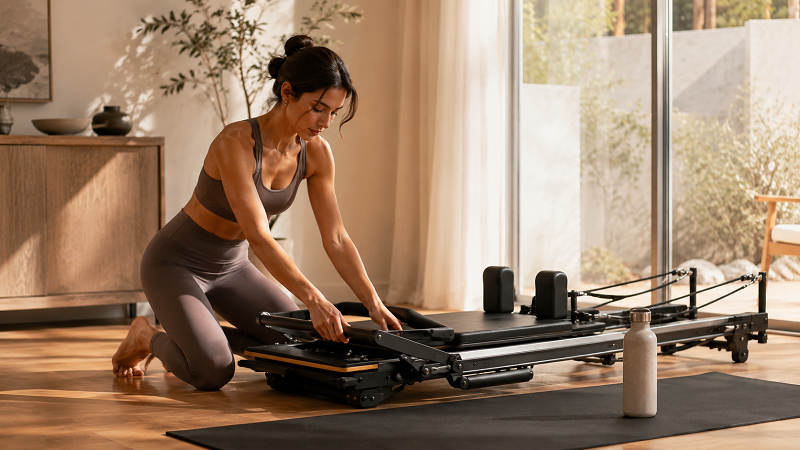
That is why foldable Pilates reformers are becoming such a popular choice. They offer the feel of a studio workout while giving users the freedom to store the machine when it is not in use. For apartment owners, busy professionals, wellness-focused families, and anyone building a compact home gym, the right reformer can make daily movement feel easier and more consistent.

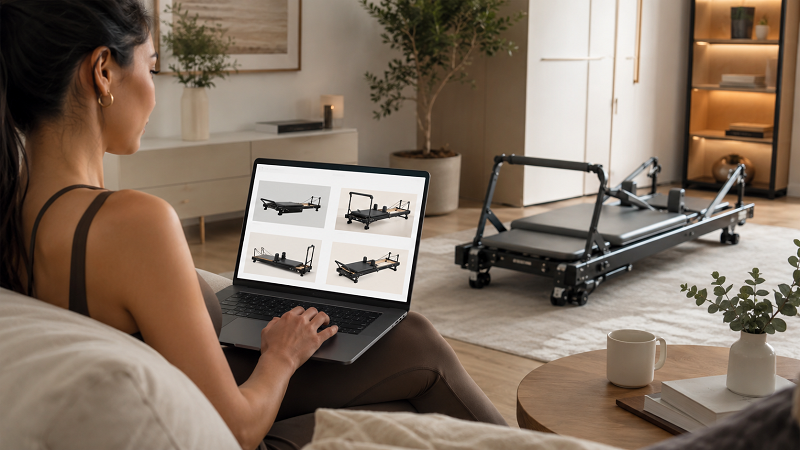
A helpful buying guide on Best Foldable Home Pilates Reformers highlights one important point clearly: choosing a reformer is not only about price. Stability, smooth carriage movement, spring resistance, comfort, accessories, delivery, and long-term support all matter when the machine is meant to be used regularly at home.

Why Foldable Reformers Make Sense for Home Fitness

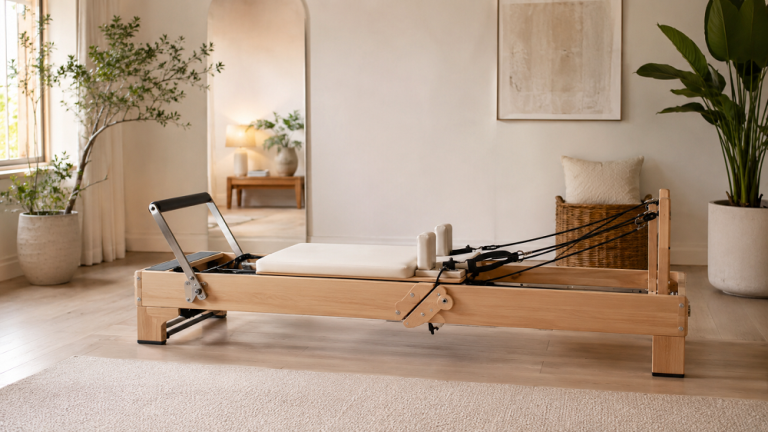
A full-size reformer can be a great investment, but not every home has the space for a permanent Pilates setup. A foldable reformer solves this problem by allowing users to enjoy a proper Pilates session, then store the equipment more conveniently afterward.

This makes it especially useful for smaller homes, multi-purpose rooms, bedrooms, home offices, and apartments. Instead of choosing between space and quality, users can look for a model that offers both.

The best foldable reformers should still feel strong and stable. A compact design should not mean a weak frame or uncomfortable movement. A good machine should glide smoothly, support controlled exercises, and give the user confidence during both beginner and advanced movements.

What to Look for Before Buying

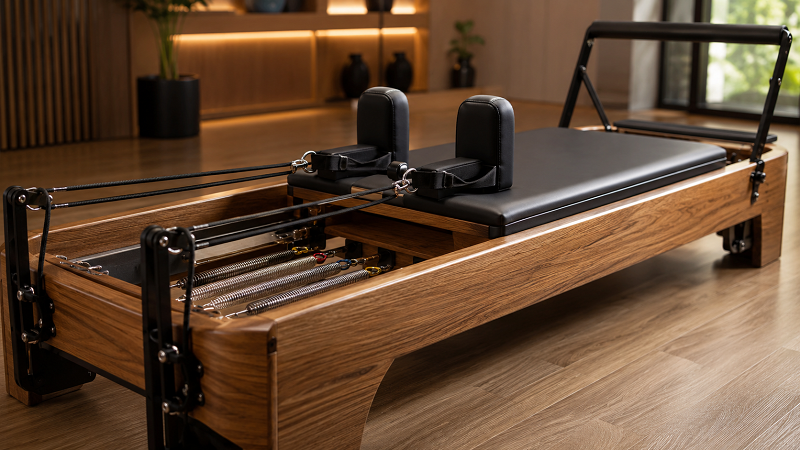
The first thing to consider is frame quality. Wooden reformers often bring a premium studio look, while strong construction helps the machine feel secure during workouts. The frame should not feel shaky or lightweight in a way that affects performance.

Next, look at the carriage. Since Pilates depends on smooth, controlled movement, the carriage should move quietly and evenly. A comfortable cushion also matters, especially for users who plan to train several times per week.

Spring resistance is another key feature. A reformer with multiple resistance levels gives users more flexibility. Beginners may need lighter resistance, while advanced users or strength-focused workouts may require stronger spring settings.

Accessories can also make a big difference. Items like a jumpboard, Pilates box, straps, cushions, and tower compatibility can expand the workout experience. When these accessories are included, the reformer often becomes a better value because users do not need to buy everything separately later.

PersonalHour and the Premium Home Pilates Experience

For those looking for a refined home Pilates setup, PersonalHour offers a strong connection between premium design and practical home use. The brand focuses on reformers that support home and studio-style training, with options that suit different spaces, comfort needs, and workout goals.

Models such as the Janet Elite Plus, Zous Pro, and compact foldable options show how different users may need different solutions. Some buyers want the most complete premium feel. Others want better value, easier storage, or a compact machine for a smaller room.

This is where the buying process should become personal. The best reformer is not simply the most expensive one. It is the one that fits the user’s body, available space, practice style, and long-term wellness routine.

A premium reformer should feel like an investment in consistency. When equipment is comfortable, attractive, and easy to use, people are more likely to return to it. That consistency is where real progress happens.

Comfort, Storage, and Long-Term Support Matter

Many buyers focus only on how a reformer looks, but long-term ownership is just as important. Delivery, replacement parts, customer service, and available accessories can shape the entire experience after purchase.

A reformer is not a small item. It should arrive safely, be easy to understand, and have support available if parts or guidance are needed later. For home users, this creates peace of mind.

Storage is equally important. Before buying, users should measure their room carefully and think about where the reformer will go after each session. A foldable model may be ideal for someone who wants a clean, calm living space without permanently displaying workout equipment.

Final Thoughts

The best foldable Pilates reformer should bring together comfort, stability, smart storage, smooth performance, and dependable support. It should make home workouts feel inviting rather than complicated.

For people who want to bring a premium Pilates experience into their daily routine, PersonalHour offers a strong place to explore reformers designed around modern home wellness. Whether the goal is strength, flexibility, recovery, posture, or simply a more mindful lifestyle, the right foldable reformer can turn any suitable room into a personal Pilates space.

CTA: Explore premium Pilates reformers and home workout solutions at PersonalHour and choose a machine that fits your space, lifestyle, and wellness goals.

FAQs

1. Are foldable Pilates reformers good for home use?

Yes. Foldable Pilates reformers are ideal for home users who want studio-style training without giving up permanent space in a room.

2. What should buyers check before choosing a foldable reformer?

They should check frame strength, carriage smoothness, spring resistance, comfort, accessories, storage size, delivery, and long-term support.

3. Is a wooden Pilates reformer better for home workouts?

A wooden reformer can offer a premium look and stable feel, but the best choice depends on build quality, comfort, and available space.

4. Can beginners use a foldable Pilates reformer?

Yes. Beginners can use foldable reformers, especially when the machine offers adjustable spring resistance and comfortable support.

5. Why choose PersonalHour for Pilates reformers?

PersonalHour offers premium reformer options, foldable designs, accessories, app support, and customer-focused resources for home Pilates users.

Celebrating life’s milestones calls for an extraordinary experience, one that leaves lasting memories. A luxury dinner cruise is the perfect way to elevate a special occasion, offering a unique blend of exquisite dining, unparalleled views, and exceptional service. Whether it’s an anniversary, a birthday, or a corporate gathering, a luxury dinner cruise provides the ideal setting to transform any event into an unforgettable celebration. In this article, we’ll explore how this opulent experience can turn your occasion into a true celebration.

The Unique Appeal of a Luxury Dinner Cruise

A luxury dinner cruise offers a rare combination of fine dining and scenic views, ensuring that your event is both indulgent and visually stunning. Unlike traditional venues, a dinner cruise allows guests to dine while gliding across beautiful waters, providing ever-changing vistas of the coastline, city skyline, or nature. The serene yet dynamic setting offers a relaxed, yet sophisticated atmosphere, where guests can enjoy the best of both worlds—gastronomy and scenery.

As you sail, the landscape becomes an integral part of the event, adding an element of enchantment that is simply unavailable at land-based venues. From sunsets over the ocean to twinkling city lights, a Luxury Dinner Cruise offers a captivating experience that no other celebration venue can replicate.

Exquisite Dining Experience

The heart of any luxury dinner cruise lies in the exceptional culinary experience. Many luxury dinner cruises feature top-tier chefs who craft multi-course gourmet meals, using the freshest ingredients to create a refined dining experience. The menu is often tailored to meet the tastes of the guests, offering everything from fresh seafood to expertly prepared steaks, accompanied by fine wines and decadent desserts. The attention to detail in both presentation and flavor elevates the meal, making it an integral part of the celebration.

For those with dietary restrictions or preferences, many luxury dinner cruises offer customizable menu options, ensuring every guest feels catered to. From the moment you board, the dining experience becomes a part of the occasion’s magic, allowing guests to indulge while enjoying the unparalleled views.

Impeccable Service

A hallmark of any luxury experience is impeccable service, and a luxury dinner cruise delivers this in abundance. The professional and attentive crew members are dedicated to ensuring your event runs smoothly, from the welcome reception to the final farewell. Staff are well-trained to anticipate guests’ needs, ensuring everyone enjoys an effortless experience. Whether it’s a champagne toast to mark a special moment or ensuring the comfort of guests throughout the evening, the crew’s commitment to excellence enhances the overall celebration.

In addition to the service on board, the intimate setting of a luxury dinner cruise allows guests to feel pampered and special. It’s not just about the food or the view—it’s the way every detail is handled to perfection, making the event feel extraordinary.

Tailored for Special Occasions

A luxury dinner cruise offers unparalleled flexibility when it comes to tailoring the event to your needs. From intimate dinners for two to large celebrations with a hundred guests, luxury dinner cruises can accommodate a variety of group sizes and preferences. Event planners often work with clients to personalize the cruise, adding special touches such as live entertainment, custom decor, or even surprise fireworks displays to make the occasion truly unique.

Additionally, a luxury dinner cruise provides options for different kinds of celebrations. Whether you’re hosting a corporate event, a wedding, or a milestone birthday, the versatility of a dinner cruise allows you to create an experience that is suited to your theme, style, and guest list.

A Lasting Memory

A luxury dinner cruise is more than just a celebration—it’s an experience that will be remembered for years to come. The combination of a stunning setting, world-class dining, personalized service, and exclusive ambiance creates a lasting impression on everyone involved. It’s a celebration that feels special because it’s not something you experience every day. When guests reflect on your event, it will stand out as one of the most extraordinary and unforgettable occasions they’ve ever attended.

Conclusion

Transforming a special occasion into a celebration requires careful consideration of both the atmosphere and experience. A luxury dinner cruise offers the perfect backdrop for creating a truly exceptional event, combining sophisticated dining, luxurious surroundings, and impeccable service. Whether you’re marking a milestone or simply want to enjoy an elegant evening with loved ones, a luxury dinner cruise ensures your occasion will be memorable for years to come.

Neon signs have long held a special place in the world of visual communication. Their vibrant hues and distinctive glow make them iconic fixtures in the urban landscape. Beyond their presence on storefronts and billboards, neon signs have evolved in the digital age, thanks to the rise of neon sign generators. In this blog post, we’ll explore the world of neon signs, discuss the fascinating technology behind them, and show you how you can create your own neon sign with the help of a neon sign generator.

The Artistry of Neon Signs

Neon signs are more than just tools for businesses to attract attention; they are artistic expressions that capture the essence of an idea, a brand, or a message. The mesmerizing luminosity of neon lights has the power to evoke nostalgia, induce a sense of nostalgia, or simply add a touch of personality to any space.

The process of crafting a neon sign involves bending glass tubes and filling them with a noble gas, such as neon or argon, which emits a vivid, colored light when an electrical current passes through it. Each twist and curve of the glass tubes is carefully designed to create intricate shapes and letters. This traditional craftsmanship continues to thrive, but the digital age has introduced a new way to explore the world of neon signs.

Neon Sign Generators: Unleash Your Creativity

In today’s digital landscape, neon sign generators are transforming the way we design and create neon signs. These online tools empower individuals and businesses to bring their creative ideas to life in a few simple steps. Using a neon sign generator, you can customize your sign’s color, font, size, and text. The possibilities are virtually endless, and the process is both user-friendly and exciting.

How to Make Your Own Neon Sign?

Select a Neon Sign Generator:

Start by choosing a reputable neon sign generator. Several online options are available, each offering different features and customization options.

Design Your Sign:

Enter the text you want to display, choose your preferred font, and experiment with different colors. You can preview how your sign will look in real-time.

Choose the Size:

Determine the dimensions of your neon sign. This decision depends on where you plan to display it, whether on a website, social media, or in a physical location.

Finalize Your Design:

Once you’re satisfied with your creation, save it and proceed to order the actual neon sign, or download a digital version for various purposes.

The Versatility of Neon Sign Generators

The magic of neon sign generators is that they aren’t just for storefronts or advertisements. They can be utilized for personal use as well. Whether you want to add a retro touch to your personal blog, give your social media profiles a unique flair, or create custom signage for an event, neon sign generators are your gateway to making your own neon sign and expressing your creativity.

In conclusion, the world of neon signs has expanded beyond the confines of traditional glass tubes and gas-filled chambers. Neon sign generators offer a dynamic, user-friendly approach to crafting your very own neon signs, allowing you to make a statement, promote your brand, or simply add a touch of luminosity to your digital or physical world. So, why wait? Dive into the world of neon sign generators and illuminate your creativity today.

The ability to make your own neon sign has never been more accessible, and the impact you can create with these mesmerizing signs is boundless.