
Author

Wilbert Pendleton

Browsing

If detangling is a significant part of your hair routine, discuss it before reserving a head spa appointment. A scalp-focused service name does not explain how the lengths will be handled, what preparation is expected or whether extra time can be arranged. Getting those details clear is more useful than arriving early and hoping the booking will absorb whatever is needed.

Long hair is not a problem to apologise for, and length alone does not describe its handling needs. The relevant information is your experience: how you normally prepare your hair, which parts take time and whether you have concerns about the proposed service. Those details help the business decide what it can realistically offer.

Explain the time and handling your hair usually needs

A vague description such as “quite long” can mean different things to different people. Explain approximately where your hair reaches and how you normally wear it. If a photograph would help, ask whether the provider accepts one and use a private contact route. A picture should support the description, not replace a conversation about handling.

Describe a typical routine without trying to impress the person taking the booking. If working through the lengths takes you considerable time, say so. If you usually get help from a stylist, explain that too. The purpose is to make the appointment scope accurate, not to compare your habits with someone else’s.

Be clear about any difference between your usual situation and the day you intend to attend. You might be coming from work with your hair arranged a particular way, or visiting between other hair appointments. That context may affect the information the provider needs before confirming the booking.

Do not attempt an unfamiliar preparation method just to make the description simpler. If your hair is severely tangled, painful to handle or difficult to manage, seek appropriate professional guidance about that issue rather than assuming a spa visit is the right place to resolve it. A separate service or assessment may be needed.

Ask where detangling belongs in the appointment

Find out what preparation the business expects before arrival and which handling steps are included. Some questions are very ordinary: does the quoted appointment include work through the lengths, when does that happen, and who should you contact if the preparation instructions do not fit your situation?

For a Mississauga example, the head spa service page from Truly You describes several hair and scalp appointments. The descriptions are a starting point for an enquiry, but they should not be read as a promise that any amount of detangling or additional styling is included. Confirm the scope for the service you are considering.

Ask whether the provider needs to assess the hair before giving a final time estimate. An honest estimate may remain provisional until they have enough information. That is different from an appointment being unlimited. If the likely duration is uncertain, avoid placing another tightly timed commitment immediately after it.

Clarify how any additional work would be discussed and charged. You should know whether it requires another booking, an altered service or an extra fee agreed in advance. A transparent answer helps both sides; it reduces the chance of an uncomfortable negotiation after the appointment has already begun.

Keep added hair and protective styles in the description

If you wear an enhancement or another style that affects access to your scalp, identify it as accurately as you can. Do not assume a booking category automatically covers every construction or arrangement. The provider needs to know what is present before explaining which parts of the proposed appointment may be appropriate.

Use any instructions supplied by the professional responsible for that style or enhancement as a reference for the conversation. If you do not understand an attachment or cannot identify the product, say so. Guessing creates less useful information than acknowledging the uncertainty and asking who should clarify it.

Do not undo, cut or alter something at home simply because a generic booking message says to arrive with accessible hair. Ask the spa and the relevant hair professional what preparation is appropriate. If their instructions appear to conflict, resolve the conflict before attending rather than choosing the more convenient version.

Also explain what you want to leave unchanged. You may want a scalp enquiry without changing a carefully arranged style, or be willing to book a different service if access is not practical. Expressing that preference early allows an honest answer about whether the appointment you imagined is available.

Agree on what will happen if the plan does not fit

Even a careful description can leave something to assess in person. Ask how the provider handles a situation where the booked service is not appropriate or cannot be completed as expected. The answer should cover the immediate decision and any relevant booking terms without pressuring you to accept an unplanned substitute.

You can request a pause if the handling is uncomfortable or the service differs from what you understood. Describe the concern directly. Do not endure something simply because you believe that slowing the appointment will inconvenience the next person. The responsible professional should decide how to respond within their role.

After the visit, retain any instructions that apply to the specific service you received. If the next appointment would require different preparation, ask for that distinction to be made clear. A one-time adjustment should not silently become a permanent assumption about your routine.

A well-described booking gives long hair a realistic place in the appointment rather than treating it as an unexpected complication. The objective is not to make your hair conform to a standard timetable. It is to understand what the provider can do, what you should prepare and when a different arrangement would be the better choice.

La capacidad debe corresponder a la edad y a la carga real; más volumen no siempre significa una mejor mochila escolar.

Comprar mochilas escolares exige equilibrar diseño, capacidad, resistencia y comodidad. Un estampado puede impulsar la venta inicial, pero cierres débiles, correas incómodas o una descripción imprecisa generan devoluciones durante la temporada más exigente.

El comprador debería evaluar la mochila como un sistema: cuerpo, costuras, base, correas, cremalleras, compartimentos y materiales. La edad del estudiante y lo que transporta determinan qué combinación tiene sentido.

Segmenta por edad y carga

Usuario Necesidad habitual Características a revisar
Preescolar Carga ligera Peso bajo, apertura simple, identificación
Primaria Libros y comida Correas ajustables, base estable, bolsillos
Secundaria Más materiales Costuras reforzadas, organización, tamaño
Universidad Tecnología y uso diario Compartimento acolchado, comodidad, sobriedad

No presentes una recomendación por litros sin comprobar las dimensiones. Dos mochilas con capacidad parecida pueden distribuir la carga de forma muy distinta.

Revisa materiales donde realmente fallan

Nylon, poliéster, lona y materiales sintéticos tienen diferentes pesos, tactos y comportamientos frente al agua. En lugar de asumir que uno es superior, revisa densidad, recubrimiento, costuras y uso previsto.

  • Tira de las correas y observa su unión con el cuerpo.
  • Abre y cierra cada cremallera varias veces.
  • Comprueba la base y las esquinas, zonas de mayor desgaste.
  • Revisa si el tejido marcado como resistente al agua tiene una explicación concreta.
  • Mide el compartimento para portátil; no confíes solo en la etiqueta comercial.

La ergonomía empieza por el ajuste

Las correas deben poder ajustarse y distribuir la carga sin concentrarla en un punto. Un respaldo acolchado puede mejorar el confort, pero no compensa una mochila demasiado grande o pesada para el usuario.

La American Academy of Pediatrics recomienda vigilar el peso de la mochila y utilizar ambos tirantes. Para una tienda, la comunicación responsable incluye medidas, peso del producto y recomendaciones de uso sin hacer afirmaciones médicas.

Planifica la temporada de regreso a clases

Una compra de mochilas escolares al por mayor debe llegar con tiempo para fotografiar, etiquetar y presentar el producto antes del pico de demanda. Calcula hacia atrás desde la fecha de venta e incluye un margen para incidencias logísticas.

Divide el pedido entre modelos de entrada, opciones con más organización y algunos diseños distintivos. La profundidad debe concentrarse en los formatos que tu público ya entiende.

Evita personalizaciones antes de validar el producto

Logotipos, etiquetas o accesorios pueden diferenciar una colección, pero también dificultan cambios y aumentan el compromiso de inventario. Primero valida forma, tamaño, comodidad y calidad del lote base.

Si personalizas, aprueba una muestra final con color, posición y resistencia del marcaje. Guarda esa muestra para controlar la producción.

Crea una ficha que ayude a elegir

Incluye dimensiones exteriores, peso, materiales, número de compartimentos, tamaño máximo aproximado del dispositivo y tipo de correas. Utiliza fotografías frontal, lateral, interior y sobre una persona para mostrar escala.

Una mochila escolar bien descrita compite por utilidad, no solo por estampado. Esa claridad mejora la decisión del cliente y protege el margen de la tienda.

Preguntas frecuentes

¿Una mochila grande sirve para cualquier edad?

No. El tamaño debe corresponder al torso y a la carga real. Una mochila excesiva puede resultar incómoda y fomentar una carga innecesaria.

¿Resistente al agua significa impermeable?

No necesariamente. La resistencia puede cubrir salpicaduras leves; la impermeabilidad requiere construcción y pruebas específicas.

¿Qué parte debería inspeccionarse primero?

Las uniones de correas, la base y las cremalleras suelen soportar mucho uso y merecen una revisión cuidadosa.

¿Cuándo hacer el pedido escolar?

Calcula preparación, transporte, control, fotografía y margen de incidencias para que el producto esté disponible antes de la demanda principal.

Fuentes

The colour you reach for often mirrors what you need. In the chakra system, drawn from Indian yogic tradition, seven energy centres sit along the spine, and each carries its own colour. Crystals join this map through that shared colour language, which is why a green stone sits with the heart and a violet one with the crown. Learn the link and you can choose with intention instead of guesswork.

Overview

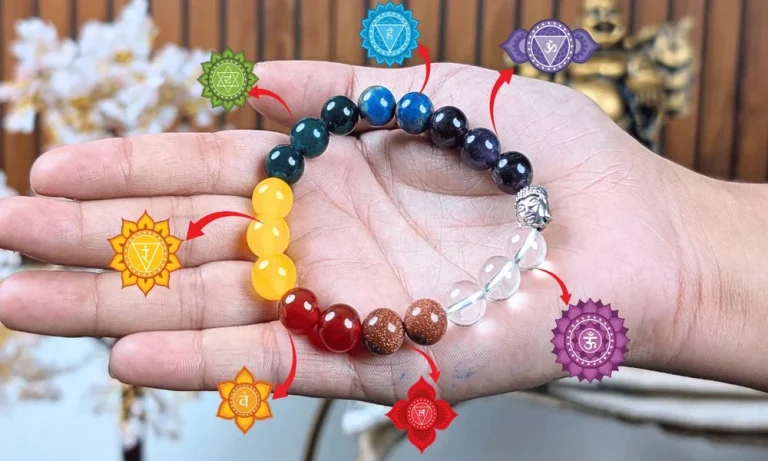
Crystals for chakras are stones matched to each of the seven energy centres, most often by shared colour. Red supports the root, orange the sacral, yellow the solar plexus, green the heart, blue the throat, indigo the third eye, and violet or white the crown. Colour guides the pairing.

Why do chakra colours match their crystals?

Each chakra is assigned a colour in yogic tradition, and a crystal is paired to it when the stone shares that colour.

The seven chakras were described long before modern crystal shops existed, and each was given a place on the body and a colour. Practitioners later mapped stones onto that colour scheme, so a red stone became a root stone and a blue one a throat stone. The colour is the bridge, not a chemical property of the rock.

This makes the system friendly to beginners. If you can see a stone’s colour, you can usually guess which chakra it is associated with, even without knowing its name. That shortcut is why so many people start their practice here rather than memorising dozens of mineral names.

It helps to hold this lightly. The colour link is a traditional correspondence that people use to focus attention and intention. It is a framework for reflection, not a claim that a colour acts on the body in a measurable way.

What are the seven chakras and their crystal colours?

The seven chakras run from the base of the spine to the crown, and each is tied to a colour and a small family of crystals in that shade.

Chakra Colour Crystals often used Focus
Root (Muladhara) Red Red jasper, hematite, garnet Grounding and stability
Sacral (Svadhisthana) Orange Carnelian, orange calcite Creativity and emotion
Solar plexus (Manipura) Yellow Citrine, tiger’s eye, pyrite Confidence and will
Heart (Anahata) Green or pink Green aventurine, rose quartz Love and compassion
Throat (Vishuddha) Blue Lapis lazuli, sodalite, blue lace agate Expression and truth
Third eye (Ajna) Indigo Amethyst, labradorite Insight and intuition
Crown (Sahasrara) Violet or white Clear quartz, selenite, amethyst Awareness and connection

These pairings vary a little between teachers and traditions, so you will see rose quartz placed at the heart in one guide and green aventurine in another. Both belong to the same colour family for that centre, so either fits the logic.

How do you choose the right crystal for each chakra?

Begin with the chakra tied to what you want to work on, then pick a crystal in its colour that you feel drawn to.

Think about the quality you are reaching for rather than the stone itself. If you want to speak up more clearly, the throat centre is your focus, so a blue stone such as sodalite or lapis lazuli fits. If you want to feel steadier, the root centre and a red stone make sense.

Colour narrows the field, and instinct does the rest. Hold a few stones in the right shade and notice which one you keep returning to. Many people find a single well-chosen piece more useful than a full set they rarely touch. A ready-strung option like a seven chakra bracelet can keep all seven colours on the wrist for people who prefer not to choose just one.

How do you use chakra crystals day to day?

The common methods are wearing them, holding one during meditation, or resting a stone on the matching part of the body.

Wearing is the simplest. A bracelet or pendant keeps the colour near you through the day and acts as a quiet reminder of your intention. For a slower practice, lie down and place each stone on its chakra, then breathe and picture that colour softening any tightness you feel there.

Meditation works well too. Hold your chosen stone in your non-dominant hand, close your eyes, and bring your attention to the matching centre. None of this needs to be long. A few minutes of steady attention is worth more than an elaborate ritual you skip.

Conclusion

The connection between chakras and crystals comes down to colour and intention. Once you know which colour sits with which centre, you can pick a stone you feel drawn to and let it hold your focus. Keep it simple and the practice stays personal.

This article is shared for informational and reflective purposes. Chakra work and crystal practices are belief systems rooted in tradition, not proven science, and they are not a substitute for professional care. For any concern about your health, mind, money or legal matters, please speak with a qualified doctor, therapist, financial adviser or lawyer.

Frequently asked questions

Which crystal works for all seven chakras?

Clear quartz is the usual choice, as it is considered adaptable and is often linked to the crown. Many people also wear a seven chakra bracelet, which carries one stone in each chakra colour so every centre is represented at once.

Can I wear more than one chakra crystal at a time?

Yes. Wearing several is common and is the whole idea behind chakra bracelets. If you prefer to focus, choose the one stone tied to the quality you are working on that week, then add others as you go.

Do the crystal and chakra colours always have to match?

Not strictly. Colour is the most popular way to pair them and the easiest for beginners, but some traditions match stones by other qualities. If you are starting out, colour is a reliable guide.

How often should I cleanse chakra crystals?

A gentle rinse or a few hours in indirect moonlight every couple of weeks suits regular wear, and more often if you use them daily. Cleansing is a way to reset your own intention as much as the stone.

Are chakra crystals suitable for beginners?

They are one of the friendliest entry points, because the colour system gives you a clear map. You do not need to learn every mineral name to start, just the colour that matches the centre you care about.

Want to explore the stones behind each chakra in more depth? Have a look around www.ankastra.com

Pack for a spa appointment by following the actual service instructions and thinking through how you will change, store belongings and dress afterward. You usually learn more from the venue’s preparation information than from a photograph of matching robes. A float booking, in particular, calls for specific answers about the facilities and what is supplied; it does not automatically require a new collection of leisurewear.

It is easy to turn anticipation into shopping. A small outing acquires a tote, slippers, a robe and several travel-size products before you know whether any of them are needed. The purchases can feel like preparation while leaving ordinary questions unanswered: where will your jewellery go, what will you do with wet items and which clothes will you wear home?

Use the actual appointment to edit the bag

Start with the instructions for the service you booked, not a general spa packing list. A seated salt-cave session, a facial and a float may involve different clothing and changing arrangements. If your confirmation names more than one service, ask which instructions apply across the visit. Do not choose a packing routine on the basis of the word spa alone.

Lay out what you already own before considering a purchase. Familiar clothes are easier to judge for comfort than an outfit that has only looked appealing online. Think about how the garments go on and off, where they can be folded and whether you will be content wearing them for the journey afterward. The aim is ordinary practicality, not a particular aesthetic.

If you have an item you need for personal reasons, ask whether and how it can accompany you. A venue may have instructions about what enters the treatment space. Explain the practical requirement rather than assuming that an object is allowed because it is small. A clear answer can save you carrying something you cannot use.

Keep the bag proportionate to the visit. A change of clothing may be useful in some circumstances, but packing several possible outfits rarely clarifies the decision. You can make the bag smaller by removing imaginary events: the unplanned workout, the possible formal dinner and the shopping trip that nobody has arranged.

Give jewellery and ordinary clothes somewhere to go

Small belongings become inconvenient when they have no deliberate place. If the service requires removing jewellery, decide where you will put it before arriving. A familiar pouch can be more useful than a beautiful open tray on a changing-room counter. Where possible, leave unnecessary valuables at home rather than making the spa responsible for objects you did not need to bring.

Ask about storage instead of assuming there will be a particular size of locker. A handbag, winter coat and larger travel bag may need more space than the appointment area provides. That is a question for the venue, not something a photograph of a robe can answer. If you are travelling from elsewhere in Vaughan or Thornhill, factor the outerwear you are actually wearing into the enquiry.

Clothes also need a sensible sequence. You should not have to place a clean top on a damp surface while searching for something at the bottom of your bag. Group the items you expect to use together, and keep personal care items closed when they are not needed. This is simple organization rather than a reason to buy a specialist packing system.

Do not leave your only booking details inside a bag that will be inaccessible when you need them. Knowing the service name and any instructions matters more than keeping a beautifully arranged tote. A small amount of preparation lets your attention stay on the appointment once staff begin explaining what happens next.

What the spa supplies changes what you carry

Check the actual list of provided items before duplicating it. Towels, robes, shower products and footwear are separate things; the presence of one does not prove that all are included. If a supplied product would not suit a personal requirement, ask about an alternative or whether you may bring your own. Permission should be specific to the service environment.

At Santé Healing Spa, the flotation page lists towels, shampoo, body wash, conditioner and shower caps among the items provided. It also contains preparation and etiquette instructions. That information can help a Thornhill guest reduce unnecessary packing, but current details should still be checked before the visit, especially where personal requirements differ from the standard arrangement.

Read the distinctions carefully. A shower cap named among provided items may not satisfy a separate instruction requiring a particular bathing cap. Similar-looking accessories can serve different purposes. If the page mentions coloured hair, jewellery or another preparation detail relevant to you, clarify that detail instead of treating the supplied-items list as the entire set of instructions.

There is no need to interpret every instruction independently. If wording is unfamiliar, ask the venue to explain what to bring and what to leave out. Follow the provider’s current directions, and direct medical suitability questions to an appropriate healthcare professional. A packing article cannot resolve those individual issues.

The bag has a return journey too

Imagine repacking after the appointment. If you bring something that could be wet, arrange a suitable way to carry it separately from dry belongings. Keep used and unused items distinguishable so you do not have to reconstruct their history at home. The same ordinary habits that help after swimming or travel can make the return less fussy.

Leave enough room in the bag for your belongings to return in a less perfectly folded state. An arrangement that works only when every item is packed with retail precision is unlikely to feel useful in a changing room. A little spare space is often more valuable than another accessory.

Once home, unpack the items that need attention instead of leaving a closed bag by the door indefinitely. Then you can forget about the logistics. The clothes you already knew how to wear have done their job, and the appointment can remain an outing rather than the beginning of a new wardrobe project.

A shared spa gift works best when the collection has a clear beginning and a clear end. Ask who wants to participate, agree on how contributions will work, and let one person make the purchase after the funds are settled. The organizer’s job is to make the gesture easy, not to turn a birthday conversation into an open-ended round of payments and reminders.

Ask for interest before naming a contribution

A group chat can make an idea look unanimous before anyone has considered the cost. Several enthusiastic replies may mean “that sounds nice,” not “I agree to pay the amount eventually chosen.” Start by finding out who wants to join the purchase. Make it easy to decline privately and avoid treating silence as agreement.

There are different fair ways to collect. A group might agree on an equal amount that everyone finds comfortable, or invite contributions within individual budgets and choose the final gift from the total. The important point is to choose one approach before collecting. Switching from voluntary amounts to an equal split afterward can make someone feel that their contribution has been judged inadequate.

Keep the invitation modest in scope. The recipient’s birthday does not become more meaningful because the group purchases the largest available package. A sensible amount is one that the participants can give willingly. If the organizer already has an ambitious total in mind, that is a proposal to discuss, not a bill to distribute.

Think about geography as well as the occasion. For a friend who lives around Kitchener-Waterloo, a local spa may make sense when they have expressed interest in that kind of experience. Friends living elsewhere can contribute to the same gift without planning a trip themselves. The group should establish that basic fit before debating treatments or collecting money for a service the recipient may never use.

One buyer should control one purchase

Once the group agrees to proceed, nominate a purchaser and a collection date. Multiple people trying to help can accidentally produce duplicate orders or different assumptions about what was bought. One person should confirm the total, make the transaction and retain the receipt. Others can contribute to the message or presentation without handling the redeemable information.

For a local spa gift-card purchase, Azure Aqua Spa’s current page identifies online and in-store options. The organizer should clarify the exact purchase format and applicable conditions directly before paying. A general page or a screenshot from an earlier occasion is not enough to promise how a particular card will be redeemed, transferred or used with other offers.

Decide where the usable gift will be delivered. If it is electronic, check the address and delivery timing through the purchase process. A surprise can be spoiled when several participants enter the recipient’s email independently or assume someone else has checked it. Keep the practical delivery arrangement with the purchaser instead of scattering it across separate conversations.

The group does not need a copy of the full card or its code. A purchase confirmation can be reported without displaying information that permits redemption. If a photograph of the presentation is shared, conceal the usable details. The gift belongs to the recipient, and the group’s need to know that it was purchased does not require everyone to hold a spendable copy.

Separate the receipt from the personal message. The purchaser may need an order number later if delivery fails or information is missing. The recipient needs the usable gift and the relevant instructions. A warm birthday note can remain uncluttered while the necessary transaction details are saved somewhere retrievable.

Close the collection before increasing the gift

The most awkward moment often arrives when the organizer sees a larger option after money has been collected. A small extra amount per person can seem harmless, but it reopens an agreement that others thought was finished. Someone may have budgeted precisely, or may simply prefer the original plan. Do not let the availability of a bigger purchase become a reason to pressure the group.

If the total is lower than expected, choose a gift that fits it. Avoid spending on the assumption that a quiet participant will eventually pay. A promised contribution and money received are different facts, and the organizer should not have to finance the gap. A clear collection deadline protects both the purchaser and the person who has not committed.

Unexpected extra money needs an equally clear decision. Ask the contributors whether it should increase the gift, cover an agreed presentation cost or be returned. The amounts may be small, but making the decision visible prevents later confusion. Packaging, delivery and other extras should not appear as deductions that nobody knew were part of the plan.

There is also no obligation to keep recruiting after the deadline. A late friend can offer a separate gesture or join only if the purchase has not been completed and the organizer is comfortable reopening it. Once the gift is bought, allowing the arrangement to stay finished is a reasonable boundary.

Report the outcome without publishing everyone’s finances

A short closing update is enough: the gift was purchased, the amount or format matches the agreement, and delivery is arranged. Send any unresolved payment question privately. A public list of who gave what can turn a cooperative gesture into an unintended comparison of resources or enthusiasm.

The personal message should represent the people who chose to participate without ranking them by contribution. Invite brief notes or signatures, but do not make an elaborate group production compulsory. Someone who gives quietly may care just as much as the friend who writes a long message or designs the card.

After delivery, the recipient can decide what to share about using the gift. The organizer can help with a missing receipt or a purchase question, but the group does not need to keep the transaction alive through repeated requests for booking updates. The collection was for a birthday gesture, not a shared claim on someone’s calendar.

Archive the receipt, settle the final balance and let the conversation return to friendship. A well-run group gift leaves very little administration behind. Everyone knows what happened, nobody is unexpectedly financing the rest, and the recipient receives one considered gesture rather than the accounting story that made it possible.

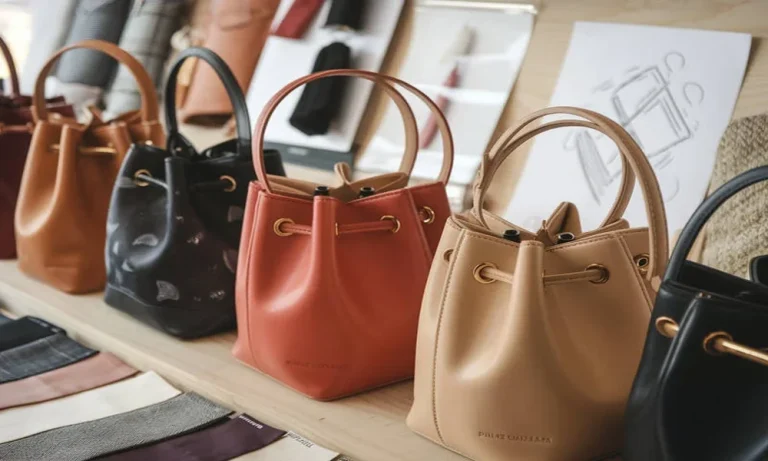
Bucket bags became a huge fashion trend in the 80s and 90s. And now, it is making a huge comeback in the fashion world. Trends shift too quickly, but these bucket bags continue to be a hot-selling style in 2026. If you are looking for your bucket bags (水桶包) options from your favorite brands, then this article is for you.

Easy Access to Your Things

You can get to your things quickly with a bucket bag. The opening is wide, so you see what is inside right away. There is enough space for your everyday essentials. You can put your phone, a wallet, keys, lip balm, sunglasses, and other daily must-haves. It has enough room for your essentials without the extra bulk.

Matches With Any Outfit

The bucket bags also work with different outfits. The soft, round shape matches well with your everyday, casual looks. You can use one for regular errand days. If you want to look sharp with a bucket bag, buy a luxury leather option. You can wear it with your formal or office look. How it would look usually depends on the material, color, and its details.

Comfort With Style

When using the bag, it rests close to your body. Many options have straps that you can easily adjust. Some are designed to be held in your hand. There are bucket bags with straps that you can wear over your shoulder. You can use the bag for almost any setting. So, choose one that feels most comfortable for you.

Variety of Options to Choose From

Bucket bags often do not come in one standard style. Some are small and best for quick errands. Others are bigger and able to hold more items. Also, they are designed to have a unique look. Leather gives a polished finish, while canvas and other fabrics feel more laid back. Colors and textures vary too. So, make sure that you look into your options before you decide.

Stylish and Functional

This makes a bucket bag a well-loved choice compared to many handbags. Bucket bags and loop bags (彎月包) shape stands out, so they look stylish no matter what your outfit is. At the same time, it has a space that’s roomy enough for your daily essentials. It blends function and style. That’s why it’s a must-have in your collection.

Wearable For All Seasons

A bucket bag can stay in your collection rotation all year. You can buy one in colors and size that would suit all your outfirst. Lighter fabrics are often best with warm weather outfits. Leather or suede versions can be best for the colder months. Picking a bag with a flexible design ensures that you are able to use it more often.

Versatile and Long Lasting

Some handbag trends fade too quickly. That’s not going to be a problem with the bucket bag. It’s been around since the 80s. That means it will not fade in popularity pretty soon. Its relaxed and sophisticated style makes it a must-have for all seasons. Also, buying one from a luxury brand ensures its longevity. These bags are made to last with quality materials and top-notch craftsmanship. That’s why it’s a wise investment for both men and women.

Conclusion

Bucket bags blend room, comfort, flexibility, and style. The easy shape can add character to an outfit. It can also hold the items you actually carry each day. If you like a rich leather version, or you prefer a plain everyday design, choosing the right bag matters. It can become a reliable part of your wardrobe that still works after 2026.

Source: magnific.com

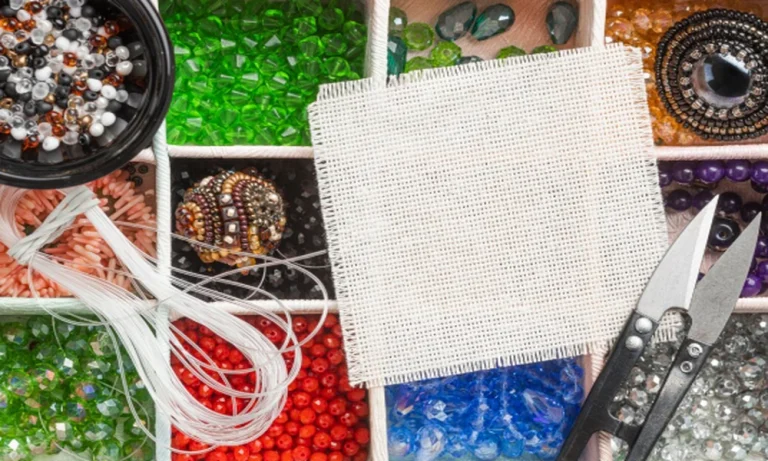
Art and craft using rhinestones is very popular nowadays. There are a lot of videos on YouTube that give you tutorials on how to use different kinds of rhinestones to make anything you want or style what you have. Rhinestones are not that difficult to handle if you know the necessary steps and rules.

If you use rhinestones correctly, it would make anything shine even more and look classy and professional at the same time. Here we are going to discuss what common mistakes people make while using rhinestones and how you can avoid them.

Applying Poor Glue

When you use the right glue, it elevates your art and craft even more. It’s important that when you are crafting anything using rhinestones, you invest in the right tools and materials. Adhesive or glue plays an important role when using these stones.

Buying a low-quality glue just to save money results in poor craft, which later makes your rhinestones fall wherever you glued them.

If you use super glue on plastic or acrylic rhinestones, then it will make the stone melt. Always use a specialized glue made especially for rhinestones; it helps make the stickiness better, which lasts longer.

Using Too Much Glue

Many people make a common mistake when working with purple rhinestones or any other type, like using too much glue. Initially, they might choose the wrong type of glue, but even after switching to a suitable one, they often overapply it. This excess glue can make the finished project look messy and unprofessional. To achieve a neat and clean result, it’s important to use glue sparingly.

When applying the glue, if you apply too much on the edges, then the rhinestones should not shine that much. The lights don’t reflect off them, which almost doesn’t fulfill the purpose of using rhinestones. And when the glue is applied too much, it comes out from the sides and later becomes yellow, which makes anything look unclean.

Avoiding Cleaning of Rhinestones

When you purchase rhinestones in bulk and start making customized items with them or sticking them where needed, you may notice that even with the right glue and proper usage, your rhinestones still don’t stick properly.

This major issue is caused when you don’t wash them. It is important to wash them when you purchase them to remove the dust. Later, these dust particles combine with glue and cause issues when you try to stick them anywhere. Besides glue stickiness, it also dulls the shine of rhinestones. So, to maintain their dazzling shine, it’s important to wash them before use.

Choosing Cheap Rhinestones

Rhinestones come in different qualities. Sometimes you choose to order them online without checking the reviews, and in the end they turn out to be low in quality. Low-quality rhinestones should never be used because they dont bling the way you want them to.

The main purpose of using rhinestones is to bring shine or sparkle to anything, but with low-quality rhinestones, the shine is dull, and it also doesn’t stick properly even if you use the best glue for it.

If you already know what makes Japanese stationery and character goods special, the real challenge is finding a reliable place to get authentic items in the UK. I look at selection, authenticity, product variety, and how well a shop stays true to Japanese design standards. You want access to both everyday tools and collectible items without worrying about quality or sourcing.

At the start, it helps to explore trusted options like buy Japanese stationery UK and buy Japanese character goods UK to understand what a well-curated store should offer. I will walk you through how to choose the right products, what to look for in a shop, and why SUPA Store stands out if you want consistent quality and authentic imports.

What Makes Japanese Stationery Worth Buying

Japanese stationery stands apart because of its focus on function and design. Every item has a purpose, and the quality reflects that.

Here is what I tell people to focus on:

  • Smooth writing performance in pens and pencils
  • Thoughtful design in tools like scissors and glue
  • Clean and simple layouts in notebooks and memo pads
  • Durable materials that last with daily use

Brands like Uni-ball, Pilot, Zebra, and Kokuyo are known for consistency. Products such as mildliner UK highlighters, Uni-ball Jetstream pens, and Kokuyo tools are built for daily use but still feel refined.

If you plan to buy Japanese stationery UK, look for stores that carry both standard items and limited editions. That balance shows the shop is sourcing directly and not relying on generic stock.

Choosing the Right Japanese Stationery Shop UK

Not every Japanese stationery shop UK offers the same level of quality. I suggest you filter your options using a few clear checks.

Look for:

  • Direct imports from Japan
  • Official licensing for character goods
  • A mix of practical and collectible items
  • Clear product descriptions and brand names

SUPA Store meets these criteria. They focus on authentic imports and carry recognized brands like Kokuyo, Pilot, and Uni-ball. Their range includes both daily tools and limited designs, which is a strong sign of careful sourcing.

Understanding Japanese Character Goods and Plush Toys

If you want to buy Japanese character UK items, you need to pay attention to licensing and detail. Authentic character goods have better stitching, accurate colors, and consistent design.

Popular character lines include:

  • Chiikawa UK
  • Miffy UK
  • Rilakkuma UK
  • Sanrio UK
  • Sumikkogurashi UK
  • Duffy and friends UK

When you shop for Japanese plush toys UK or Japanese stuffed toys UK, look at:

  • Fabric softness and stitching quality
  • Character accuracy
  • Official tags or branding

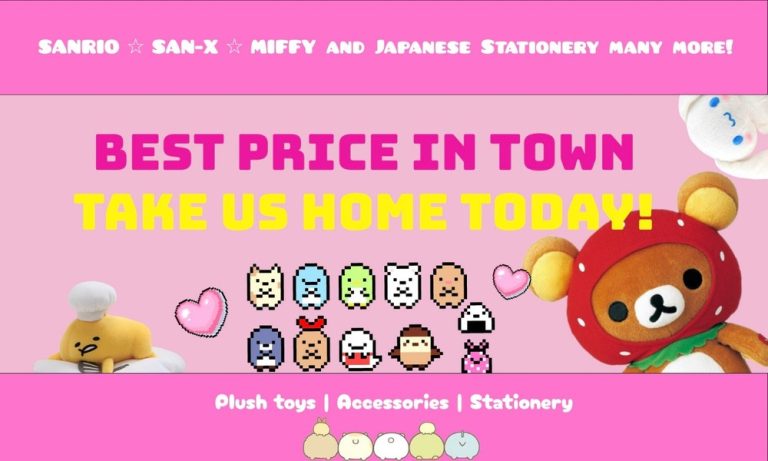
SUPA Store offers a wide range of these plush items, from small keychains to larger cushions. Their selection includes seasonal and themed releases, which are often hard to find outside Japan.

How to Buy Japanese Gifts UK Without Compromise

If your goal is to buy Japanese gifts UK, you should think beyond simple items. A good gift combines function and character.

Here are reliable gift ideas:

  • Character-themed pen sets and memo pads
  • Plush keychains or small cushions
  • Washi tape and sticker sets
  • Letter sets and pouches

A strong Japanese gift shop UK will group these items in a way that makes sense. SUPA Store does this well by offering both stationery and character goods in one place, which makes it easier to build a complete gift.

What to Expect from Japanese Stationery Online UK

Buying from a Japanese stationery online UK store should feel clear and predictable. I always recommend checking how the store presents its products.

You should expect:

  • Clear product names and specifications
  • Brand transparency such as Pilot pen UK or Zebra pen UK
  • Access to newer or limited items
  • A mix of functional and decorative products

SUPA Store’s catalogue includes items like Uni-ball One pens, Zebra Mildliner sets, Kokuyo tools, and Pilot Juice pens. They also stock items like Japanese MT UK washi tape and Japanese memo sticker sets, which add variety to your collection.

Why SUPA Store Is a Strong Choice

If you want a single place to buy Japanese plush toys UK, stationery, and gifts, SUPA Store is a practical option. I recommend them based on how they handle sourcing and product selection.

Here is what stands out:

  • All products are imported directly from Japan
  • They focus on officially licensed goods
  • Their range includes both everyday tools and collectible items
  • They carry well-known characters and trusted brands

They also offer items that are not easy to find elsewhere in the UK. This includes limited plush designs, themed collections, and unique stationery tools like stapleless staplers and specialty scissors.

How to Build a Balanced Collection

If you are building your own collection, I suggest starting with a mix of practical and collectible items.

A simple approach:

  • Start with core tools like pens and highlighters
  • Add decorative items like stickers and washi tape
  • Include one or two plush toys or character goods
  • Rotate in seasonal or limited items over time

This keeps your collection useful while still giving you access to unique designs.

Final Thoughts

If you want to buy Japanese toys UK, stationery, or gifts, the key is choosing a shop that values authenticity and selection. I always point people toward stores that import directly and carry recognized brands.

SUPA Store fits that model. They offer a clear mix of stationery, plush toys, and character goods that reflect real Japanese design and quality. If you focus on the factors I covered, you will avoid low-quality options and build a collection that lasts.

There is a wide range of flavors and complexity in the world of Scotch whisky to fit any taste sensation. Although single malts get most of the attention, the skill of the blended scotch is what really makes whisky accessible and fun for a larger audience by combining the strong character of malt whiskies with the softer notes of grain whiskies. Celebrated for their consistency, smoothness, and usually great value are these brilliant combinations. iShopChangi.com offers a duty-free advantage that makes exploring these complex spirits even more appealing to both new visitors and aficionados of Singapore.

The Artistry Behind Blended Scotch

Blended Scotch whisky is evidence of the expertise of professional blenders, who painstakingly mix several single malt and single grain whiskies from several distilleries all throughout Scotland. A consistent flavor profile year after year is the aim, usually surpassing the whole of its constituent components. This complex procedure enables a wider spectrum of smells and tastes, therefore smoothing out the whisky and making it more approachable to suit a range of palates. 

Duty-Free Advantage for Singaporean Customers

For those in Singapore especially, one of the most important benefits of buying blended Scotches through iShopChangi.com is the duty-free pricing. This allows you to get excellent whiskies far less expensive than those found in regular retail stores. The platform’s special position using the duty-free status of Singapore’s Changi Airport translates into significant savings.

Ideal for Entertaining and Gift Giving

Both casual drinkers and experts will value a nice blended scotch as a great gift. Its adaptability qualifies it also for entertainment. Whether presented neat, on the rocks, or as the base for classic drinks like a Rob Roy or a Highball, mixed Scotches appeal broadly. Their consistent taste sensations guarantee that every time your visitors will have a dependable and appealing drink. Convenient online purchasing and delivery choices available from iShopChangi.com in Singapore help to streamline the process of obtaining these refined spirits for any event.

Improving Your Sampling Experience

Think on the specifics of your taste experience to really enjoy your selected blended Scotch. Concentrate the smells using a suitable whiskey glass perhaps a Glencairn. Look at its color; then, stop to consider its nose and note several levels of aroma. Sometimes adding a few drops of water opens up fresh taste sensations. Try several serving techniques to find your preferred approach to savour the subtle complexity of a fine combined Scotch.

Combining an amazing range with the clear benefit of duty-free pricing for Singapore consumers, iShopChangi.com provides an unmatched portal to the world of premium blended Scotches. Celebrated for their artistry, stability, and adaptability, these spirits are ideal for personal consumption, gift-giving, or entertaining. Discovering the platform’s products will help you to really taste some of the best blended Scotches, thereby increasing your respect for this excellent range of whisky.

Where braving the wild landscape and temperamental weather of New Zealand is concerned, getting dressed for the occasion isn’t just a comfort issue—it’s a survival, success, and experience issue. Among numerous brands on offer, Ridgeline Clothing NZ has built its brand reputation as a go-to name for high-performance outdoor gear. But what makes Ridgeline stand out from the rest?

Designed for New Zealand’s Wild Backcountry

New Zealand hunters are confronted with a particularly diverse range of challenges—from alpine chasms to thick native bush, usually in rapidly shifting conditions. Ridgeline knows this country because it was conceived here. All products are engineered and tested with the rugged NZ environment in mind, so hunters can rely on gear that’s tough, weather-resistant, and comfortable on long hauls.

Whether stalking deer in the Ruahine Ranges or establishing in a Canterbury duck blind, the company’s outerwear, base layers, and rain gear are designed to perform without apology.

Camo Clothing that Merges with the Surroundings

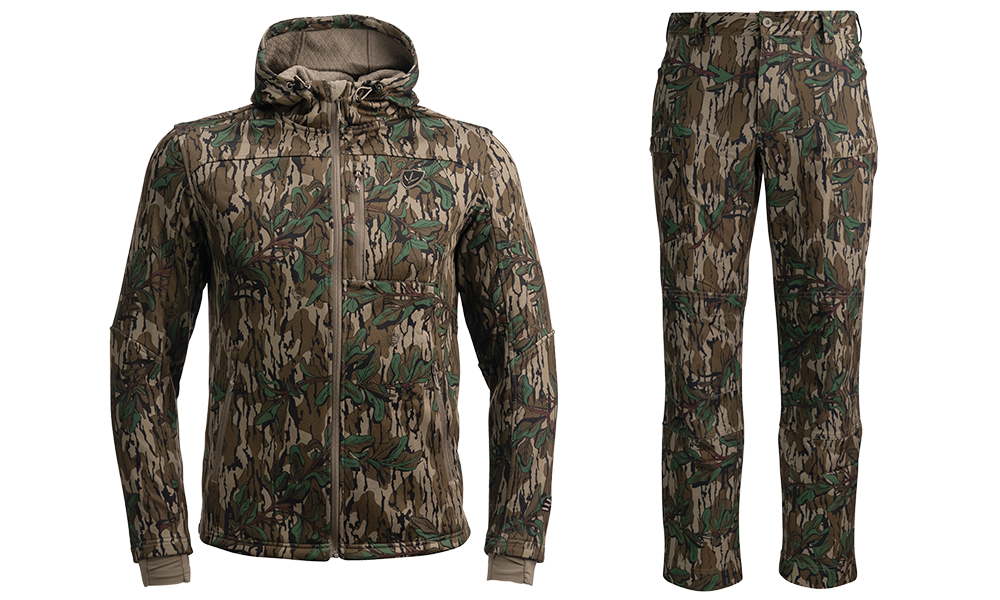
Ridgeline’s camo designs aren’t merely generic prints—they’re designed to replicate New Zealand’s natural environment. This makes their camo clothing particularly effective, providing hunters with an optical advantage where camouflage is paramount. The company’s signature designs, such as Buffalo Camo and Excape, are tailored to replicate the colors, texture, and depth of local bush and alpine country.

Paired with quiet, non-reflective clothing, Ridgeline’s hunting camouflage reduces visibility and noise—two primary elements of getting close to your prey.

Hunting Clothing

Designed for Practicality and Performance

Ridgeline’s designs are about more than looks. Their gear is engineered with features serious hunters love: protective knees and elbows, big accessible pockets, weather-sealed zips, and breathable insulation. It’s not simply clothing—it’s a complete system of hunting gear NZ hunters can trust season after season.

There’s also a large assortment of choices designed for men, women, and youth, so the whole hunting party can be adequately equipped without compromise.

Trusted by Kiwi Hunters for Generations

Ridgeline’s loyalty isn’t simply a matter of product quality—it’s trust. Kiwi hunters have grown up in generations wearing Ridgeline gear, sharing it on through tales of first hunts, earned trophies, and bush time. That’s something not many brands can boast.

Why Ridgeline Stands Out

In the end of it all, Ridgeline is different because it’s not attempting to produce hunting equipment for everybody—it’s about producing hunting clothing NZ hunters actually require. Built strong, built intelligently, and built right here.