
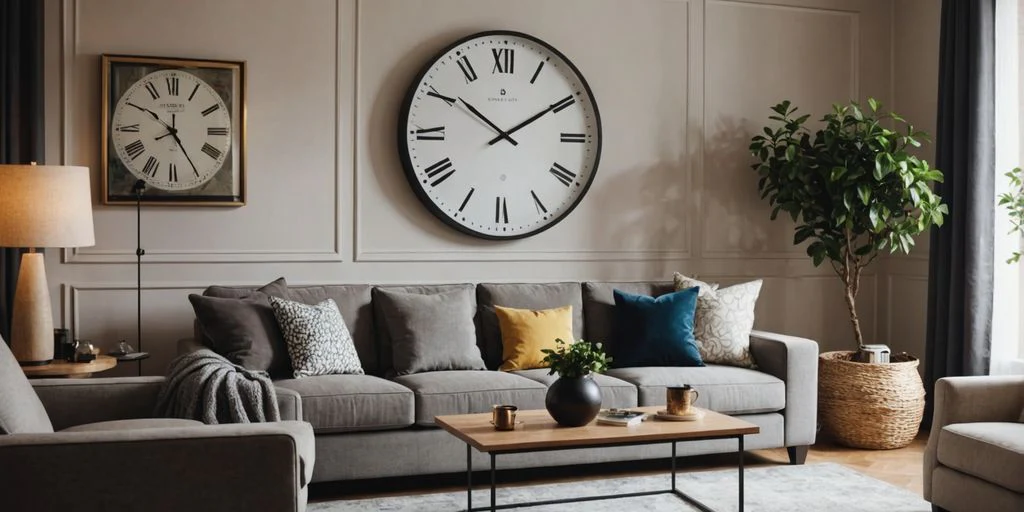
In interior styling, the most memorable spaces are rarely built around a single element. Instead, they’re thoughtfully layered — textures, finishes and focal points working together to tell a cohesive visual story. One of the most effective yet often overlooked techniques is layering clocks with artwork and mirrors. When done well, this approach adds depth, movement and personality while transforming a functional timepiece into a design feature.
Whether you’re styling a living room, hallway or open-plan dining space, combining clocks with complementary wall décor can elevate the entire room. High-quality statement clocks like the ones you can find at Jadco Time provide a strong foundation for this layered look, blending form and function seamlessly.
Why Layering Works So Well
Layering introduces visual hierarchy. A clock naturally draws the eye because of its shape and purpose, while artwork and mirrors soften and enrich the surrounding space. Together, they create contrast and balance — practical yet expressive, structured yet creative.
Mirrors reflect light and movement, preventing the display from feeling flat, while artwork injects colour, texture and personal style. The clock anchors the arrangement, ensuring the overall composition feels intentional rather than cluttered.
Using a Clock as the Anchor Piece
Start by selecting the clock as your primary focal point. Larger wall clocks work particularly well for layering because they hold their own alongside framed art and reflective surfaces.
When positioning:
- Place the clock centrally or slightly off-centre to create a natural visual flow
- Allow enough breathing room so it doesn’t compete with surrounding pieces
- Use the clock’s material (metal, timber or glass) as a cue for selecting complementary frames and mirrors
This anchor approach ensures the arrangement feels curated, not chaotic.
Pairing Clocks with Artwork
Artwork brings personality into the mix. Abstract prints, line drawings or textured canvases pair beautifully with both modern and traditional clocks. To achieve balance:
- Vary frame sizes, but keep finishes consistent
- Use artwork to introduce colour that complements the room’s palette
- Avoid overcrowding — negative space is just as important as the pieces themselves
A well-layered clock-and-art arrangement can act as a refined alternative to a full gallery wall.
Incorporating Mirrors for Light and Dimension
Mirrors are the secret ingredient in layered wall styling. When placed near or behind a clock, they reflect light, enhance depth and subtly highlight the clock’s design. Styling tips include:
- Using round mirrors to echo the clock’s shape
- Choosing antiqued or smoked mirrors for warmth and character
- Positioning mirrors to reflect natural light or key architectural features
This combination is particularly effective in smaller rooms or darker hallways, where added brightness makes a noticeable difference.
Scale, Spacing and Proportion Matter
Successful layering depends on proportion. A large clock should be balanced with medium to smaller artworks, while oversized mirrors can serve as a backdrop rather than a competing focal point. Aim for:
- Even spacing between elements
- A cohesive overall footprint that suits the wall size
- Visual flow that guides the eye naturally across the arrangement
When in doubt, lay pieces on the floor first to experiment with spacing before committing to the wall.
A Thoughtful Blend of Function and Style
Layering clocks with artwork and mirrors is about more than aesthetics — it’s about creating spaces that feel lived-in, intentional and visually engaging. The clock keeps time, the artwork tells a story, and the mirror brings light and life into the room. By thoughtfully combining these elements, you transform a simple wall into a dynamic design feature that feels both timeless and contemporary.

Comments are closed.