

Starting a jewelry business or adding an accessories line to an existing boutique is an exciting venture. The margins can be excellent, the products are easy to store and ship, and the demand for fashion jewelry remains consistently strong. However, the process of sourcing inventory can be overwhelming for newcomers. The term “wholesale jewelry” encompasses a vast global market with varying levels of quality, pricing structures, and supplier reliability.
For a small business owner, making the wrong sourcing decisions can lead to dead stock, customer complaints, and cash flow problems. Conversely, finding the right supplier can provide a steady stream of trendy, high-quality products that keep customers coming back. This comprehensive guide will walk you through the essential steps of sourcing wholesale jewelry, answering the most common questions and providing actionable advice to help you build a profitable inventory.
What Is Wholesale Jewelry and How Does It Work?
At its core, wholesale jewelry refers to the practice of buying jewelry in bulk or at discounted rates directly from manufacturers, distributors, or specialized platforms, with the intention of reselling it at a retail price. The wholesale price is significantly lower than the retail price, allowing the business owner to make a profit on the markup.
The Traditional Wholesale Model vs. Modern Platforms
Historically, sourcing wholesale jewelry required attending trade shows, negotiating with overseas factories, and committing to massive minimum order quantities (MOQs). This model favored large retailers with substantial capital and storage space. Small boutiques were often priced out or forced to buy from domestic middlemen who had already added their own markup.
Today, the landscape has shifted dramatically. Modern wholesale platforms like Nihaojewelry have democratized the sourcing process. These platforms aggregate products from numerous factories, offering a massive catalog of fashion jewelry, fine jewelry alternatives, and accessories. The most significant advantage of this modern model is the reduction or elimination of MOQs. Retailers can now purchase single items at wholesale prices, allowing for low-risk testing and agile inventory management.
Why Should You Source Wholesale Jewelry Online?
The shift toward online sourcing has provided small businesses with unprecedented access to global markets. Understanding the benefits of this approach is crucial for developing a competitive retail strategy.
Access to a Broader Catalog
When you source online, you are not limited by the physical space of a showroom or the specific niche of a single domestic distributor. Platforms like Nihaojewelry offer tens of thousands of SKUs across multiple categories, including stainless steel jewelry, 925 sterling silver, copper with zircon, and freshwater pearls. This breadth allows you to curate a highly specific collection that perfectly matches your brand’s aesthetic, whether you focus on minimalist everyday wear or bold statement pieces.
Speed to Market
Fashion trends move quickly, often driven by social media influencers and celebrity styles. To capitalize on these trends, retailers need to source and stock new items rapidly. Online wholesale platforms update their catalogs daily, providing immediate access to the latest designs. This speed to market ensures that your boutique remains relevant and appealing to trend-conscious consumers.
Transparent Pricing and Margins
Online sourcing provides clear, upfront pricing. You can easily compare the wholesale cost of an item against your target retail price to calculate your potential profit margin. Many platforms also offer tiered pricing, where the cost per unit decreases as your order volume increases. This transparency allows for accurate financial planning and pricing strategies.
How to Choose the Right Wholesale Jewelry Supplier
Your supplier is your business partner. Their reliability, product quality, and shipping speed directly impact your reputation and bottom line. Evaluating potential suppliers requires careful consideration of several key factors.
Evaluate the Minimum Order Requirements
For a new boutique, cash flow is often tight. Tying up capital in large quantities of unproven inventory is a significant risk. Therefore, the supplier’s MOQ policy is a critical factor. Look for suppliers that offer “No MOQ” or very low minimums. This flexibility allows you to order a wide variety of styles in small quantities, test them with your audience, and then reorder the bestsellers. Nihaojewelry, for example, allows retailers to purchase as little as one piece per SKU, making it an ideal partner for testing new collections.
Assess Product Quality and Material Transparency
In the jewelry business, quality is paramount. Customers expect their purchases to look good and last. When evaluating a supplier, review their product descriptions carefully. Do they clearly state the materials used? For instance, do they specify whether an item is 304 or 316L stainless steel? Do they detail the plating process, such as 18K gold PVD coating?
Transparency in material descriptions is a strong indicator of a reputable supplier. It allows you to accurately describe the products to your customers, managing their expectations regarding durability and hypoallergenic properties. If a supplier uses vague terms like “metal alloy” without further explanation, it may be a red flag regarding the item’s longevity.
Review Shipping and Logistics Options
Fast and reliable shipping is essential, especially if you are relying on a supplier for frequent restocks. Evaluate the supplier’s shipping methods, estimated delivery times, and costs. Do they offer expedited shipping options like DHL or FedEx? Do they provide tracking information?
Additionally, consider the customs and import duties associated with international shipping. Some suppliers offer DDP (Delivered Duty Paid) shipping options, which means the supplier handles all customs clearance and import taxes. This simplifies the logistics process and prevents unexpected costs upon delivery, ensuring a smoother operation for your business.
What Categories of Wholesale Jewelry Should You Stock?
Building a balanced inventory is key to maximizing sales and minimizing dead stock. A well-curated collection should include a mix of reliable basics, trend-driven pieces, and higher-margin items.
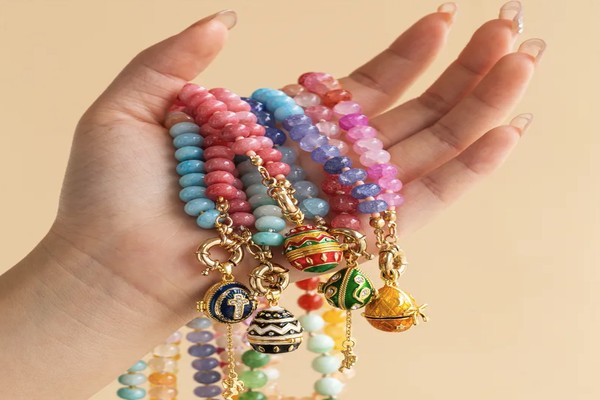
The Foundation: Everyday Basics
Everyday basics are the bread and butter of a jewelry boutique. These are the pieces customers wear daily, such as simple stud earrings, delicate chain necklaces, and minimalist rings. Because these items are worn frequently, durability is a primary concern. Sourcing these basics in high-quality materials like stainless steel or 925 sterling silver ensures customer satisfaction and encourages repeat business.
The Hook: Trend-Driven and Statement Pieces
While basics provide steady revenue, trend-driven pieces attract attention and drive traffic to your store. These might include chunky gold hoops, colorful enamel rings, or layered bohemian necklaces. Because trends can be fleeting, it is advisable to source these items in smaller quantities using a no-MOQ supplier. This allows you to capitalize on the trend without being left with excess inventory when consumer preferences shift.
The Upsell: Fine Jewelry Alternatives
Offering pieces that mimic the look of fine jewelry can significantly increase your average order value. Items featuring high-quality cubic zirconia, moissanite, or freshwater pearls appeal to customers looking for elegant accessories for special occasions or travel. When sourcing these items, pay close attention to the setting and finish, as the craftsmanship must reflect the luxurious aesthetic you are promoting.
How to Test New Jewelry Collections Effectively
One of the biggest mistakes new retailers make is launching a massive, unfocused collection. A more strategic approach involves testing small, curated collections to gather data on customer preferences.
Start with a Micro-Collection
Instead of buying hundreds of random styles, create a micro-collection of 10 to 15 cohesive pieces. For example, you might launch a “Summer Essentials” collection featuring waterproof stainless steel anklets, shell pendants, and simple gold-tone hoops. A themed collection is easier to market, looks more professional on your website, and provides clearer data on what styles resonate with your audience.
Utilize a Hero Product
Identify one standout piece in your micro-collection to serve as the “hero product.” This should be an eye-catching item that photographs well and represents the overall vibe of the collection. Use this product heavily in your marketing campaigns, social media ads, and email newsletters to draw customers into your store. Once they are browsing, the supporting pieces in the collection provide additional purchasing options.
Analyze the Data and Reorder
Set a specific timeframe for your test, such as 30 days. Monitor which items sell out quickly, which generate the most clicks, and which receive the most engagement on social media. Use this data to inform your reordering strategy. Double down on the bestsellers, reorder them in larger quantities to secure better wholesale pricing, and phase out the items that did not perform well.
How to Price Your Wholesale Jewelry for Retail
Pricing is a delicate balancing act. Price too high, and you alienate your customers; price too low, and you leave money on the table and potentially devalue your brand.
Calculate Your Landed Cost
Before setting a retail price, you must calculate the true cost of the item, known as the landed cost. This includes the wholesale price of the jewelry, the cost of shipping, any import duties or taxes, and the cost of packaging. Only by knowing your exact landed cost can you accurately determine your profit margin.
Apply a Standard Markup
A common pricing strategy in the fashion jewelry industry is to apply a markup of 2.5 to 3 times the landed cost. For example, if a stainless steel necklace costs you $4 landed, you might retail it for $10 to $12. However, this is just a baseline. You must also consider the perceived value of the item. A piece with intricate detailing or high-quality PVD plating can often command a higher markup than a basic alloy item.
Consider Psychological Pricing
Psychological pricing techniques can subtly influence consumer behavior. Pricing an item at $19.99 instead of $20.00 can make it seem significantly more affordable. Additionally, offering tiered pricing or bundle deals (e.g., “Buy two rings, get the third 50% off”) can increase the average order value and move inventory more quickly.
Conclusion: Building a Sustainable Sourcing Strategy
Sourcing wholesale jewelry is not a one-time task; it is an ongoing process of discovery, testing, and refinement. By understanding the dynamics of the modern wholesale market and leveraging platforms that offer low minimums and transparent pricing, small boutique owners can build a resilient and profitable inventory.
The key to long-term success lies in finding a reliable supplier like Nihaojewelry, curating a balanced collection of basics and trend pieces, and rigorously testing new styles before committing to large orders. By prioritizing quality, managing your margins carefully, and staying attuned to your customers’ preferences, you can transform a modest initial investment into a thriving jewelry business. As you navigate the exciting world of fashion accessories, remember that strategic sourcing is the foundation upon which your retail success is built.
How to Manage Inventory and Avoid Dead Stock
One of the most significant challenges in retail is managing inventory effectively. Dead stock-items that do not sell and take up valuable storage space-can severely impact your cash flow and profitability. Implementing smart inventory management practices from the beginning is crucial for long-term success.
Implement a Just-In-Time (JIT) Inventory System
The Just-In-Time (JIT) inventory system involves ordering goods only as they are needed in the sales process, rather than holding large amounts of stock. This approach minimizes storage costs and reduces the risk of unsold inventory. For small boutiques, leveraging wholesale platforms with no-MOQ policies makes JIT highly feasible. You can place frequent, smaller orders based on real-time sales data, ensuring that your capital is invested in products that are actively moving.
Monitor Sell-Through Rates
Your sell-through rate is the percentage of inventory sold within a specific period compared to the amount of inventory received. Monitoring this metric helps you identify which products are performing well and which are lagging. If a particular style of stainless steel earrings has a high sell-through rate, it is a clear signal to reorder. Conversely, if a batch of statement necklaces has been sitting for months, it may be time to discount them or bundle them with more popular items to clear the stock.
Use Promotions Strategically to Clear Slow-Moving Items
When you do encounter slow-moving inventory, use promotions strategically to recover your investment. Flash sales, “Buy One Get One” (BOGO) offers, or mystery bags are effective ways to incentivize customers to purchase items they might otherwise overlook. The goal is to convert that dead stock back into cash, even if it means accepting a lower profit margin, so you can reinvest in higher-performing wholesale jewelry.
How to Build a Strong Brand Identity Around Your Jewelry
In a crowded market, your brand identity is what sets you apart from competitors selling similar products. Sourcing great wholesale jewelry is only part of the equation; how you present and market those pieces defines your brand.
Define Your Target Audience
Before you even begin sourcing, you must have a clear understanding of who your ideal customer is. Are you targeting college students looking for affordable, trendy pieces? Or are you catering to working professionals seeking elegant, minimalist designs? Your target audience dictates everything from the styles you choose to the language you use in your marketing.
Create a Cohesive Visual Aesthetic
Your website, social media profiles, and product photography should all reflect a cohesive visual aesthetic. If your brand is bohemian and free-spirited, use warm, natural lighting and earthy backgrounds in your photos. If your brand is modern and minimalist, opt for clean, white backgrounds and sharp, high-contrast images. Consistency in your visual presentation builds brand recognition and trust.
Tell a Story with Your Products
People do not just buy products; they buy the stories and emotions associated with them. When writing product descriptions, go beyond simply listing the materials and dimensions. Describe how the piece can make the wearer feel or the occasions it is perfect for. For example, instead of just saying “18K gold-plated stainless steel ring,” you might write, “Elevate your everyday look with this tarnish-resistant gold ring, designed to transition seamlessly from the office to evening cocktails.”
How to Handle Customer Service and Returns
Excellent customer service is a powerful marketing tool. How you handle inquiries, complaints, and returns can turn a dissatisfied buyer into a loyal brand advocate.
Establish Clear Return and Exchange Policies
Transparency is key to managing customer expectations. Clearly outline your return and exchange policies on your website. Specify the timeframe within which returns are accepted, the condition the items must be in, and who is responsible for return shipping costs. A fair and clearly communicated policy reduces friction and builds trust with potential buyers.
Address Quality Issues Promptly
Even with the best sourcing practices, occasional quality issues may arise. If a customer reports that a piece of jewelry broke or tarnished prematurely, address the issue promptly and professionally. Offer a replacement or a refund, and use the feedback to evaluate your supplier. If you notice a pattern of complaints regarding a specific item or material, it may be time to stop sourcing that product or discuss the issue with your wholesale partner.
Use Customer Feedback to Improve Sourcing
Customer feedback is invaluable data. Pay attention to the questions customers ask and the reviews they leave. If multiple customers request longer necklace chains or hypoallergenic earring posts, use that information to guide your future wholesale jewelry purchases. By actively listening to your audience, you can continuously refine your inventory to better meet their needs.
The Importance of Packaging in the Jewelry Business
Packaging is often an afterthought for new business owners, but it plays a crucial role in the customer experience and brand perception.
Elevate the Unboxing Experience
The moment a customer opens their package is a prime opportunity to make a lasting impression. High-quality packaging, such as custom-printed boxes, velvet pouches, or eco-friendly mailers, adds perceived value to the jewelry inside. Including a handwritten thank-you note or a small branded sticker can make the experience feel personal and special, encouraging the customer to share their unboxing on social media.
Protect the Jewelry During Shipping
Beyond aesthetics, packaging must serve the practical purpose of protecting the jewelry during transit. Delicate chains can easily tangle, and softer metals can scratch if not properly secured. Use small ziplock bags, anti-tarnish strips, or padded inserts to ensure the items arrive in pristine condition. Wholesale platforms like Nihaojewelry often offer a variety of packaging supplies, allowing you to source both your products and your packaging materials efficiently.
Scaling Your Jewelry Business: From Testing to Volume Purchasing
As your boutique grows and you establish a reliable customer base, your sourcing strategy should evolve from testing small quantities to volume purchasing.
Negotiate Better Pricing with Volume Orders
Once you have identified your best-selling items, you can begin ordering them in larger quantities. Most wholesale suppliers offer tiered pricing, where the cost per unit decreases as the order volume increases. By committing to larger orders of proven winners, you can significantly improve your profit margins.
Build a Relationship with Your Supplier
As your order volume grows, so does your value to the supplier. Building a strong relationship with your wholesale partner can lead to additional benefits, such as priority shipping, early access to new collections, or even custom manufacturing options. Communicate regularly with your supplier, provide feedback on their products, and establish a mutually beneficial partnership.
Diversify Your Product Offerings
While it is important to maintain a core collection of bestsellers, continuously diversifying your product offerings keeps your catalog fresh and encourages repeat purchases. As you scale, consider expanding into related categories, such as hair accessories, watches, or seasonal items. By offering a wider variety of products, you can increase your average order value and capture a larger share of your customers’ accessory budget.
Final Thoughts: The Path to Retail Success
Sourcing wholesale jewelry is a dynamic and rewarding process that requires a blend of strategic planning, market awareness, and strong supplier relationships. By understanding the modern wholesale landscape, leveraging platforms that offer flexibility and transparency, and implementing smart inventory and marketing practices, small boutique owners can build a thriving and profitable business.
Remember that success in retail is not just about finding the cheapest products; it is about finding the right products for your specific audience and presenting them in a way that adds value. Whether you are curating a collection of durable stainless steel basics or eye-catching statement pieces, your sourcing strategy is the foundation upon which your brand is built. With dedication, data-driven decision-making, and a commitment to quality, your jewelry boutique can flourish in the competitive fashion market of 2026 and beyond.

Comments are closed.